
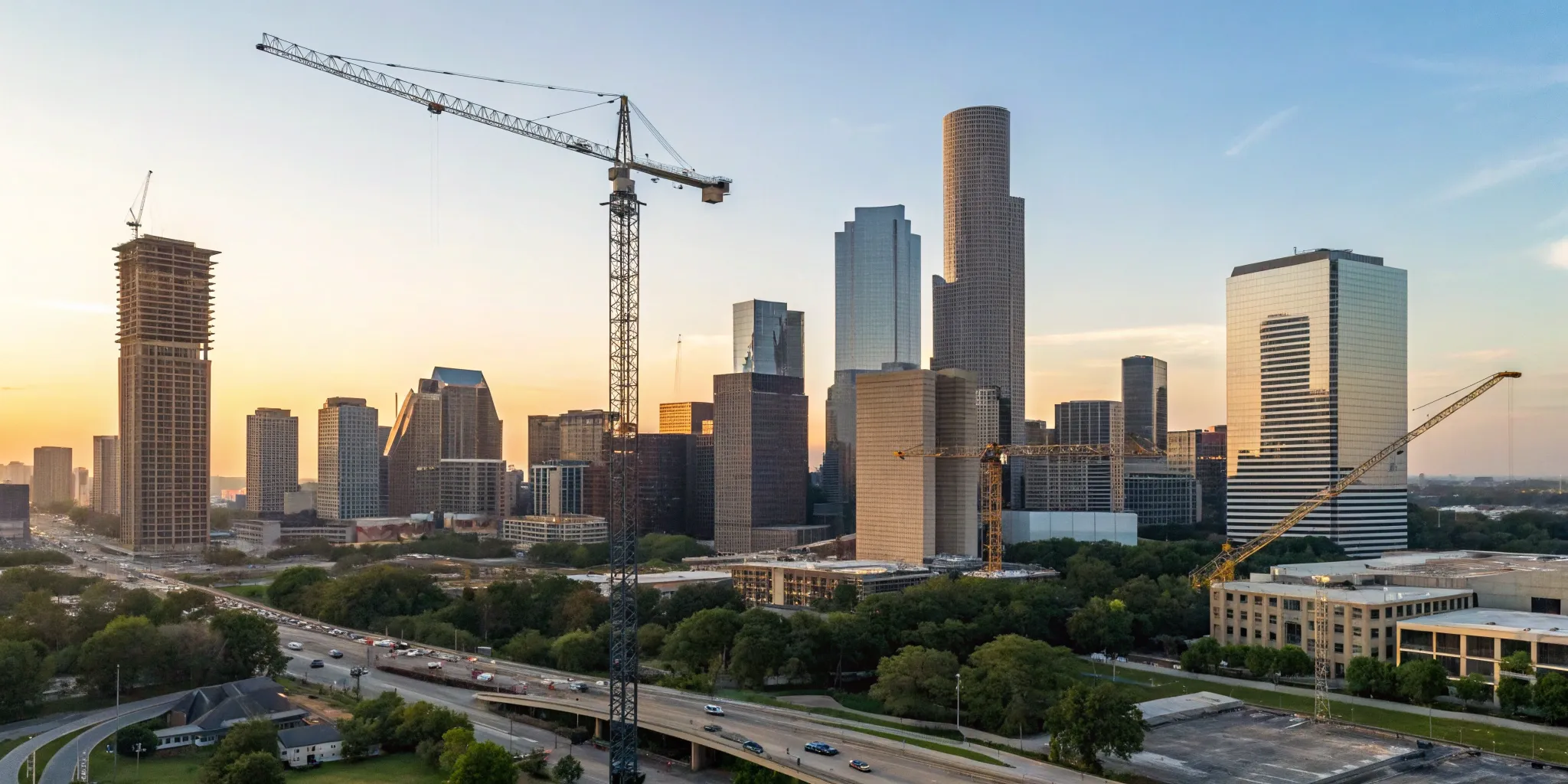

In the construction industry, timing is everything. By the time a project hits the public bid sites, you’re already late to the party, competing with dozens of other firms on price alone. The real advantage lies in getting there first. It’s about identifying opportunities months before they become common knowledge, allowing you to build relationships with developers and architects when it matters most. This proactive approach is what separates the industry leaders from the pack. This guide is designed to give you that head start, offering an inside look at the major new construction projects Houston is planning, so you can stop reacting and start building your next great partnership.
Key Takeaways
- Align with Houston's Growth Strategy: The city’s development isn't random; it's guided by a clear focus on sustainability, walkability, and creating connected communities. Position your business for success by highlighting expertise in green building or pedestrian-friendly spaces to meet the demand of future projects.
- Get In Before the Bid: The best opportunities are won long before they become public knowledge. Gain a critical advantage by tracking early project signals like rezoning applications and permit filings, which allow you to connect with key decision-makers months before your competitors.
- Target Your Best-Fit Projects: Houston’s market is incredibly diverse, with major developments in luxury residential, commercial renovation, and public infrastructure. Identify the project types that best match your company's strengths and focus your business development efforts there for a higher success rate.
What Major Construction Projects Are Happening in Houston?
Houston is a city in constant motion, and its construction landscape is a clear reflection of that energy. From towering mixed-use developments to sprawling public parks, the city is buzzing with projects that present massive opportunities for general contractors, subcontractors, and suppliers. These aren't just random builds; they are strategic developments designed to accommodate a growing population and enhance the quality of life for residents. For firms looking to grow their business, understanding the scope and scale of these major projects is the first step. Getting involved early, long before the general public hears about them, is what separates the most successful construction leaders from the competition. It means having the chance to build relationships with developers and architects, get your products specified, and position your team as the right choice for the job. The projects we're seeing break ground are diverse, ranging from luxury residential towers to large-scale public infrastructure, creating a wide array of entry points for businesses of all sizes and specializations. Keeping a close watch on these developments is essential for anyone serious about capturing a piece of this growth. Let's look at some of the key projects currently shaping Houston's future.
Mixed-Use Developments
The trend of creating integrated, walkable communities is on full display in Houston. A prime example is Park Eight Place, a massive 70-acre, $1 billion project in the Westchase District. This development is a city within a city, planned to include a mix of homes, retail shops, a hotel, and modern office spaces. The goal is to create a vibrant environment where people can live, work, and play without relying on a car. For construction professionals, a project of this magnitude offers a long-term pipeline of work across virtually every trade, from initial site work and structural engineering to interior finishing and landscaping.
New Residential Communities
Houston's residential market is also reaching new heights with luxury projects designed for a discerning clientele. The Ritz-Carlton Residences in The Woodlands is a standout development, marking the first stand-alone Ritz-Carlton residential project in Texas. Situated near Lake Woodlands, these luxury condominiums are set to offer an unparalleled living experience. Projects like this demand high-end materials, impeccable craftsmanship, and specialized subcontractors. For suppliers and builders who specialize in the luxury market, getting their services and products specified early on is critical, as these opportunities are highly competitive and require building relationships with the project's key decision-makers.
Commercial and Entertainment Hubs
Downtown Houston is getting a major facelift with the revitalization of GreenStreet. This multi-million dollar transformation is turning a four-block area into a dynamic commercial and entertainment hub. The plan includes creating a pedestrian-friendly path, introducing new restaurants and shops, and fostering a lively nightlife scene. Renovation projects like GreenStreet are complex and require a different skill set than new builds, often involving demolition, structural upgrades, and intricate coordination to minimize disruption. This development will create significant opportunities for firms specializing in commercial renovation, tenant build-outs, and urban streetscape design.
Upgraded Infrastructure and Public Spaces
The city is also investing heavily in its public spaces to improve community life and promote outdoor activity. The renovation of Tony Marron Park is a centerpiece of this effort. As part of a $310 million project, the park will nearly double in size from 19 to 40 acres, adding vital green space for the community. In parallel, the Main Street 2.0 initiative is redesigning a seven-block stretch of downtown into a pedestrian-only promenade. These public works projects create a steady stream of work for civil engineers, landscape architects, and contractors focused on infrastructure and recreation.
What New Developments Are Coming to Houston?
Houston is buzzing with activity, and it’s not just the traffic. The city is in the middle of a major growth spurt, with new construction projects breaking ground and reshaping skylines across the metro area. From revitalized public parks to cutting-edge office buildings and luxury residences, there are incredible opportunities for contractors and suppliers. Staying ahead of these developments is key to getting in on the ground floor. Here’s a look at some of the most anticipated projects coming to Houston in the near future and beyond.
Projects Finishing in 2025
Next year is set to be a big one for Houston. We’ll see the completion of the Tony Marron Park expansion, a massive $310 million project that will nearly double the park's size to 40 acres, creating a huge new green space for the community. In the commercial sector, One Bridgeland Green will make its debut as the area's first "mass timber" office building, a design focused on sustainability that aims to cut pollution by 20%. Meanwhile, the GreenStreet development in downtown is getting a multi-million dollar facelift, turning a former retail space into a vibrant pedestrian path with new restaurants and shops, adding more energy to the city center.
What to Expect in 2026-2027
Looking a bit further ahead, the momentum continues with even more ambitious projects. The old San Jacinto Mall in Baytown is being completely reimagined as a 105-acre marketplace, bringing 500,000 square feet of new retail and dining to the area. This is a huge opportunity for subcontractors and suppliers specializing in commercial build-outs. On the luxury residential front, The Woodlands will welcome the first stand-alone Ritz-Carlton Residences in Texas. These high-end condos on Lake Woodlands signal a strong demand for premium living spaces, creating specialized work for firms that handle high-end finishes and complex residential construction. These projects show the diverse range of opportunities on the horizon.
Houston's Long-Term Vision
All this construction isn't happening in a vacuum; it's fueled by incredible growth. The U.S. Census Bureau recognized Houston as the second fastest-growing metro in the country, and the city’s population is projected to keep climbing. This steady influx of people is a major driver of the construction boom. In fact, the Houston economic outlook remains strong, with the U-Haul Growth Index citing the region as a top destination for relocations for years. This long-term trend means a sustained need for new housing, commercial spaces, and infrastructure, solidifying Houston as a land of opportunity for the construction industry for years to come.
How Is New Construction Changing Houston?
All this new construction is doing more than just changing the skyline; it’s fundamentally reshaping Houston's economy, communities, and future. The impact of these projects ripples through every aspect of the city, creating a dynamic environment filled with new possibilities for residents and businesses alike. For those of us in the industry, understanding these changes is key to finding our place in the city's growth story.
Creating Jobs and Opportunity
It’s no secret that a construction boom means more jobs. In Houston, this isn't just a small uptick—it's a massive wave of opportunity. The city’s construction sector is a primary engine for job creation, with the metro area gaining over 150,000 jobs in a recent 11-month span. This incredible growth is directly tied to the large-scale projects breaking ground across the region. For general contractors and subcontractors, this translates to a high demand for skilled labor and experienced teams. It’s a clear sign that the market is strong and that there are plenty of opportunities to build a solid pipeline of work for years to come.
Driving Economic Growth
Houston’s rapid expansion isn’t going unnoticed. The city was recently named the second fastest-growing metro in the U.S., and its economy is projected to keep climbing. This momentum is largely fueled by the construction industry, which builds the infrastructure needed to attract and support new businesses. According to a recent Houston economic outlook, this growth creates a positive feedback loop: new projects attract companies, which in turn creates more demand for construction. This cycle strengthens Houston’s position as a major economic hub, not just locally but on a global scale, positively impacting the city’s top export markets.
Shifting Property Values
With a workforce of three million people and more engineers than any other U.S. metro, Houston is a magnet for top-tier employers, especially in the energy sector. This influx of companies and high-paying jobs has a direct impact on the real estate market. As demand for housing and commercial space increases, so do property values. This creates a competitive landscape but also opens up significant opportunities for developers and builders focused on high-value residential and commercial projects. Keeping an eye on which corporate players are moving into the area can give you a head start on where the next wave of development will hit.
Improving Community Life
Beyond the economic numbers, new construction is enhancing the quality of life for Houstonians. The projects currently underway are incredibly diverse, ranging from sprawling public parks and entertainment venues to modern commercial centers and luxury homes. These developments aren’t just standalone buildings; they’re designed to create vibrant, connected communities where people can live, work, and play. By building more green spaces, walkable neighborhoods, and accessible amenities, these projects make Houston a more attractive place to live, which in turn fuels continued growth and demand for thoughtful, well-executed construction.
What Makes Houston's New Developments Unique?
Houston isn't just building more; it's building smarter. The latest wave of construction projects is moving beyond traditional designs to create spaces that are more sustainable, connected, and people-focused. For general contractors, subcontractors, and suppliers, this shift isn't just a trend—it's a roadmap to future opportunities. Understanding these unique characteristics helps you anticipate project needs, from specialized green building materials to the infrastructure required for high-tech amenities. It’s about seeing where the demand is headed so you can position your business to meet it.
These projects are redefining the city's landscape, emphasizing quality of life through thoughtful design and forward-thinking features. We're seeing a deliberate move away from urban sprawl and toward creating dense, livable communities where residents can work, live, and play without relying on a car. This means more mixed-use developments with integrated retail, residential, and office spaces. It also signals a growing commitment to environmental responsibility, with developers incorporating everything from mass timber to advanced water conservation systems. By getting familiar with these key themes, you can better identify projects that align with your expertise and get a head start on sourcing the right materials and talent. This isn't just about winning the next bid; it's about becoming an essential partner in building the Houston of tomorrow.
More Green and Recreational Spaces
Houston is making a serious investment in its urban landscape by weaving more parks and green spaces into its new developments. This isn't just about adding a few trees; it's a strategic effort to create community hubs that encourage outdoor activities and improve overall livability. For construction professionals, this trend opens up opportunities in landscape architecture, irrigation systems, hardscaping, and the construction of public amenities like pavilions and sports facilities. As developers prioritize these features to attract residents and tenants, having expertise in creating durable and beautiful outdoor community spaces will be a major advantage.
A Focus on Walkability
The days of car-centric design are giving way to a focus on walkability. New developments across Houston are being designed to create pedestrian-friendly environments where people can easily get around on foot. Projects like the Watermark District and Goal Park are prime examples, integrating wide sidewalks, safe crosswalks, and ground-level retail to encourage foot traffic. This shift creates demand for contractors specializing in streetscaping, decorative concrete, and exterior lighting. As Houston continues to build denser, more connected neighborhoods, the ability to contribute to a vibrant, walkable street-level experience is becoming increasingly valuable.
Sustainable and Green Building
Sustainability is no longer a niche request—it's a core feature of Houston's most innovative projects. Developers are embracing green building practices to reduce environmental impact and meet growing demand for eco-friendly spaces. A standout example is the use of mass timber in new office buildings, a material that significantly cuts down on greenhouse gas emissions. This commitment means a greater need for suppliers who can source sustainable materials and for contractors with experience in green construction techniques and certifications like LEED. Staying current on these sustainable building practices is key to competing for these forward-thinking projects.
Smart Tech and Modern Amenities
Houston's vision for the future is high-tech, and new construction is reflecting that ambition. Developments are increasingly incorporating smart technology and modern amenities to enhance connectivity and convenience. While futuristic ideas like flying taxis are still on the horizon, the groundwork is being laid today. This includes integrating high-speed internet infrastructure, EV charging stations, smart building management systems, and advanced security features. For subcontractors, this translates to a growing demand for specialized electrical, low-voltage, and data infrastructure work. Being able to deliver on these tech-forward requirements is essential for working on Houston's most cutting-edge projects.
How Do These Projects Fit Houston's Master Plan?
These exciting new projects aren't happening in a vacuum. They're all pieces of a larger puzzle, fitting into Houston's strategic vision for the future. Understanding this master plan helps you see where the city is headed and, more importantly, where the next wave of opportunities will be. It’s about building a more connected, sustainable, and prosperous Houston for everyone.
Building Around Transit
With Houston being the second fastest-growing U.S. metro, managing that growth is a top priority. The city is focusing on transit-oriented development, building dense, walkable communities around public transportation. This approach reduces traffic and creates more vibrant neighborhoods. For contractors and suppliers, this signals a clear direction: projects along transit corridors are more likely to gain traction and funding. Keep an eye on development activity near METRORail lines and major bus routes, as these areas are primed for significant investment and new construction opportunities that align with the city's growth strategy.
Prioritizing Sustainability
Houston is making a serious commitment to green building. A perfect example is the One Bridgeland Green project, the first 'mass timber' office building in the area. This innovative method uses engineered wood that is better for the environment, designed to cut pollution by 20% and save 80% of water annually. This isn't just a one-off project; it's a sign of a larger trend. As the city pushes for more sustainable development, demand for eco-friendly materials and green building expertise will only increase. Getting ahead of this curve can give your business a significant edge on future Houston projects.
Connecting Communities
The city is also rethinking how people experience urban spaces, aiming for a more connected, pedestrian-friendly environment. Initiatives like More Space: Main Street 2.0, which will turn seven blocks of Main Street into a car-free promenade, are leading the charge. This focus on walkability and community gathering is shaping new developments across the city. We're seeing more mixed-use projects with ground-floor retail, outdoor dining, and public plazas. For those in construction, this means opportunities in projects that blend commercial, residential, and recreational elements to foster a stronger sense of community and place.
Planning for Long-Term Growth
Houston's construction boom is directly tied to its incredible economic expansion. The Texas Workforce Commission reported that the metro area gained over 150,000 jobs in just eleven months. This isn't a temporary surge; it's part of a long-term strategy to ensure Houston remains an economic powerhouse. This sustained job growth fuels demand for everything from new office buildings and corporate campuses to housing and the infrastructure needed to support it all. The city's master plan is built around accommodating this growth, signaling a stable and continuous pipeline of construction projects for years to come.
How to Find Your Next Houston Project
Finding your next big project in a competitive market like Houston isn’t about waiting for opportunities to appear on public bid sites. By then, you’re already behind. The real advantage comes from a proactive strategy that puts you in the right place, with the right information, long before the competition. It’s about identifying promising projects during their earliest stages, understanding the key players involved, and building relationships when they matter most. This means getting in front of developers and architects before designs are finalized, giving you a chance to get your services or materials specified from the start.
Instead of just bidding on a project, you become part of its foundation. This approach requires a shift from reactive bidding to strategic business development. It’s the difference between fighting for scraps and having a seat at the table. By focusing on early-stage indicators and relationship building, you can create a steady pipeline of qualified leads and secure more profitable work. Many successful firms have already seen how this strategy can transform their growth, allowing them to be more selective about the projects they pursue and build stronger, more reliable partnerships. It’s about working smarter, not just harder, to secure your place in Houston’s expanding construction landscape.
Spot Projects Before Anyone Else
To get ahead, you need to see projects before they become common knowledge. While traditional project databases are useful, they often list opportunities that are already well underway. The key is to catch the earliest signals of development. This means tracking upstream activities like title transfers, rezoning applications, and preliminary permit filings. These actions are the first concrete signs that a piece of land is being prepared for a new project.
By monitoring these early indicators, you can identify potential construction sites months before a formal announcement is made. This gives you a significant head start to research the property owner, identify the likely project team, and begin your outreach. Tools like Mercator's Free Permits App can help you monitor this activity, turning raw data into actionable intelligence so you can be the first one to make the call.
Know Which Areas to Watch
Houston is a city in constant motion, with new developments reshaping its skyline and neighborhoods. These projects don’t happen in a vacuum; they are part of a larger vision for the city’s future. Paying attention to areas slated for major transformation can help you focus your efforts where the biggest opportunities lie. Keep an eye on districts targeted for modernization, improved walkability, and enhanced green spaces.
These initiatives often signal where both public and private investment will flow next. For example, areas around new transit lines or public parks are prime candidates for future mixed-use and residential projects. By staying informed on the projects shaping Houston, you can anticipate where development will boom and position your business to be a part of that growth from the ground up.
Tap Into the Right Networks
In construction, your network is everything. With Houston’s continuous growth attracting new professionals and businesses, the web of relationships is always expanding. Success often depends on connecting with the right people at the right time. It’s not enough to know a project is happening; you need to understand who is behind it. Identifying the developer, architect, and engineer early on is critical for building the relationships that lead to contracts.
Focus on mapping out the key players for each potential project. Who has the owner worked with in the past? Which architects are designing the types of buildings you specialize in? Understanding these connections helps you make a warm introduction instead of a cold call. Leveraging your existing network and using tools to uncover hidden relationships can open doors that would otherwise remain closed, giving you a powerful competitive edge.
Related Articles
- Mercator.ai Launches AI Platform in Houston’s $25B Market
- Houston Industrial Project Alerts: The 2025 Guide
- Inside the New Building Projects in Texas Boom
- Houston Commercial Construction Leads
Frequently Asked Questions
How early is 'early enough' to start pursuing a new construction project? The best time to get involved is long before a project ever hits a public bidding site. Ideally, you want to identify an opportunity when the land is first acquired or when rezoning applications are filed. At this stage, you have the chance to connect with the owner and design team, understand their vision, and offer your expertise. This positions you as a valuable partner rather than just another bidder when the project moves forward.
Which types of construction projects are seeing the most growth in Houston right now? We're seeing a lot of energy across several sectors. Mixed-use developments that create walkable, live-work-play communities are a major trend. There's also strong demand in the high-end residential market with luxury condominiums and planned communities. Finally, public-facing projects like the expansion of parks and the revitalization of downtown commercial districts are creating significant opportunities for firms specializing in infrastructure and renovation.
With so much growth, how can my firm stand out from the competition? Competing in a busy market isn't just about having the lowest price. The most effective way to stand out is by getting in front of decision-makers early. When you identify a project in its infancy, you can build a genuine relationship with the project team. This allows you to demonstrate your value and get your services or products specified, shifting the conversation from cost to quality and partnership.
What's the best way to identify the key decision-makers on a project before it's publicly announced? It comes down to connecting the dots using early project signals. When you see a title transfer or an early permit filing, you can start researching the property owner. From there, you can look into their past projects to see which architects, engineers, and other partners they typically work with. This intelligence helps you map out the likely project team so you can make a strategic and informed introduction.
Is this construction boom in Houston expected to last? All signs point to sustained growth. The current boom isn't just a temporary spike; it's driven by strong fundamentals like consistent job creation and significant population growth. Houston continues to be a top destination for corporate relocations and new residents, which creates a continuous need for new housing, offices, and infrastructure to support them. This indicates a stable pipeline of projects for the foreseeable future.
AI-powered business development for the construction industry
Schedule a time to discuss your use case and walk through a custom demo of the platform.