
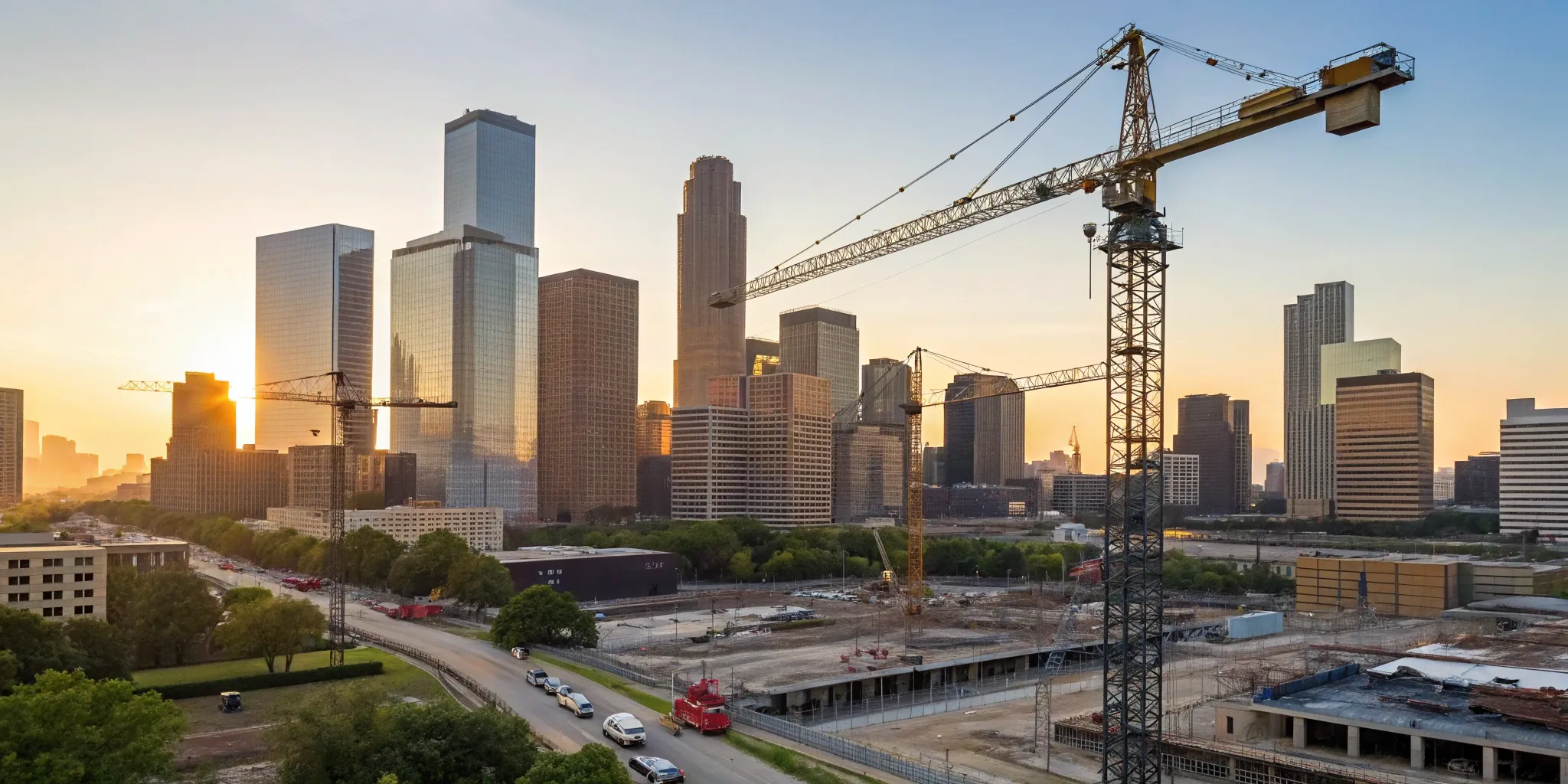

Houston's industrial construction market is a powerhouse, but breaking in can feel like you're on the outside looking in. You see the massive projects—from industrial plant construction to advanced manufacturing—and know you have what it takes. The real challenge? Getting your foot in the door with the top general contractors. It’s not always clear who is leading the most significant work or what they truly look for in a partner. That's why we created this guide. We've done the research on the top industrial construction companies in Houston, TX, giving you the information you need to build your network and land your next big opportunity.
Key Takeaways
- Look beyond the price tag when choosing a partner: A contractor's true value is shown in their safety record, financial stability, and a portfolio of successful projects similar to yours—not just the lowest bid.
- Align your partner with your project's specific demands: Houston's industrial scene has both large-scale generalists and niche specialists; identify whether you need a firm with broad capabilities or one with deep expertise in a specific trade.
- Get ahead of the competition by finding projects early: Instead of waiting for public RFPs, use modern tools to track pre-construction signals like rezoning and permit activity, giving you the chance to build relationships with decision-makers long before a project is widely known.
What is Industrial Construction?
Industrial construction is all about building the backbone of our economy—the specialized facilities where things are made, stored, and processed. Think massive factories, sprawling warehouses, high-tech data centers, and power plants. Unlike commercial or residential projects, the primary goal here isn't aesthetics or public comfort; it's all about function, efficiency, and durability. These structures are designed from the inside out, with the layout dictated by the heavy machinery, complex processes, and logistical workflows they need to support. It’s a sector that demands precision, specialized knowledge, and a deep understanding of operational needs, creating unique opportunities for contractors and suppliers who can meet these rigorous standards.
Defining Industrial Construction: Function Over Form
At its core, industrial construction prioritizes function over form. The success of a project is measured by its operational efficiency, safety, and ability to support large-scale industrial processes, not by its architectural beauty. The design revolves around accommodating heavy equipment, optimizing production lines, and ensuring the seamless flow of materials and goods. For example, a manufacturing plant's layout is determined by the assembly line, while a distribution center is designed for maximum storage capacity and rapid loading and unloading. This focus on utility means that every structural element, from the foundation to the roof, is engineered to handle the specific demands of the industry it serves, whether that’s extreme temperatures, heavy vibrations, or hazardous materials.
Industrial vs. Commercial Construction: Key Differences
While they might seem similar, industrial and commercial construction serve fundamentally different purposes. Commercial projects, like retail stores or office buildings, are designed for public interaction and business transactions, emphasizing customer experience and accessibility. Industrial construction, on the other hand, is focused on production and logistics. These facilities are often closed to the public and are built to house specific, often heavy-duty, operational processes. This core difference creates a ripple effect, influencing everything from the building's design and location to its regulatory requirements and the complexity of its internal systems. Understanding these distinctions is crucial for any contractor or supplier looking to succeed in the industrial space.
Design and Purpose
The design philosophy in industrial construction is driven entirely by operational need. The main goal is to create a space that maximizes efficiency, ensures safety, and provides long-term reliability for the specific industrial process it houses. Architects and engineers work to integrate complex equipment and systems seamlessly, planning for everything from workflow and material handling to ventilation and waste disposal. This contrasts sharply with commercial design, where factors like brand image, customer comfort, and aesthetic appeal are major considerations. In an industrial setting, the "customer" is the process itself, and the design must serve its needs above all else.
Location and Logistics
Location is everything in industrial construction, but for different reasons than in commercial projects. Instead of seeking high-traffic areas for visibility, industrial facilities are often built with logistics in mind. Proximity to major transportation hubs—like highways, railways, ports, or airports—is critical for facilities that require 24/7 shipping and receiving. The site must also be large enough to accommodate massive structures, outdoor storage, and the constant movement of large trucks. Zoning regulations also play a huge role, as these facilities are typically restricted to specific industrial parks or areas away from residential zones.
Regulatory and Permitting Complexity
Industrial projects face a much higher level of regulatory scrutiny. Beyond standard local building codes, they must comply with stringent federal and state standards related to environmental protection, occupational safety (OSHA), and industry-specific regulations. For example, a chemical plant has a completely different set of rules than a food processing facility. This complexity makes the permitting process longer and more involved. For subcontractors and suppliers, tracking permit activity is one of the most reliable ways to identify these projects early, long before they become public knowledge, giving you a chance to connect with key decision-makers.
MEP Systems and Infrastructure
The mechanical, electrical, and plumbing (MEP) systems in industrial facilities are far more complex and robust than in commercial buildings. They are the heart of the operation, designed to power heavy machinery, manage climate control for sensitive processes, and handle industrial-scale waste. These systems are not just a component of the building; they are integral to its function. In fact, the cost of MEP systems can account for 30-50% of the total project budget. This specialization creates significant opportunities for MEP contractors and suppliers with proven expertise in industrial applications.
Common Types of Industrial Facilities and Their Features
The industrial sector is incredibly diverse, covering everything from simple storage buildings to highly complex processing plants. Each type of facility comes with its own unique set of construction requirements, challenges, and opportunities. For general contractors, subcontractors, and suppliers, understanding the specific features of these different project types is key to positioning your business for success. Whether it's the climate control needs of a data center or the sanitary standards of a food processing plant, knowing the nuances allows you to tailor your approach, highlight relevant experience, and ultimately win more work in this specialized market.
Warehouses and Distribution Centers
Warehouses and distribution centers are the cornerstones of modern logistics. These massive structures are designed for one primary purpose: the efficient storage and movement of goods. Key construction features include high ceilings to maximize vertical storage, wide-open floor plans for forklift and robotic navigation, and numerous loading docks for trucks. The foundation and flooring must be exceptionally durable to withstand the weight of heavy inventory and constant traffic. As ecommerce continues to grow, the demand for these facilities, especially those with advanced automation and sorting systems, remains incredibly strong, making them a staple of the industrial construction landscape.
Manufacturing Plants
Manufacturing plants are where raw materials are transformed into finished products. These facilities are built to house heavy, expensive, and often highly specialized equipment. Construction must account for reinforced foundations to support machinery, robust electrical systems to meet high power demands, and advanced ventilation and exhaust systems to manage heat, fumes, and dust. The layout is meticulously planned to optimize the production line, ensuring a smooth workflow from start to finish. Safety is also a paramount concern, with designs incorporating specific measures to protect workers from the complex processes happening within the plant.
Data Centers
Data centers are the physical homes of our digital world, housing thousands of computer servers that store and manage data. These are highly secure and technologically advanced facilities. Construction focuses on reliability and protection. Key features include redundant power sources (backup generators and uninterruptible power supplies), sophisticated cooling and HVAC systems to prevent servers from overheating, and multi-layered security measures, including physical barriers and biometric access control. The need for 100% uptime means that every system must be built with precision and redundancy, making these projects both challenging and lucrative.
Food Processing Facilities
Food processing facilities are subject to some of the strictest health and safety regulations in the construction industry. These plants are designed to handle food products, so cleanliness is the top priority. Construction requires the use of non-porous, easy-to-clean surfaces like stainless steel and specialized floor coatings to prevent bacterial growth. They also need precise temperature and humidity control systems to maintain food safety and quality throughout the production process. Proper drainage and waste management systems are critical to maintaining a sanitary environment, making these projects a highly specialized niche within industrial construction.
Refineries and Chemical Plants
Refineries and chemical plants are among the most complex and high-risk industrial projects. These facilities process raw materials like crude oil and natural gas into usable products. Construction is governed by incredibly strict safety protocols due to the hazardous and flammable materials involved. Key features include specialized containment zones, blast-resistant structures, and intricate piping systems designed to transport volatile substances safely. These projects require extensive planning, highly skilled labor, and a deep understanding of process safety management, representing a significant undertaking for any construction team involved.
The Industrial Construction Project Lifecycle
Like any construction project, industrial builds follow a structured lifecycle from an initial idea to a fully operational facility. However, the complexity, scale, and high stakes of these projects mean each phase is magnified in importance. For anyone looking to win work in this sector, understanding this lifecycle is critical. It helps you identify the best time to engage with a project, who the key decision-makers are at each stage, and how you can position your services to meet the project's needs. Getting involved early, during the planning and design phases, is often the key to becoming a trusted partner rather than just another bidder.
From Planning to Handover: The Standard Phases
An industrial project typically moves through several distinct phases. It begins with planning and feasibility, where the owner assesses the project's viability, secures a site, and establishes a preliminary budget. This is followed by the design phase, where architects and engineers create detailed blueprints and specifications. Once the design is set, the project moves into the permitting stage to get all necessary approvals from regulatory bodies. After that comes procurement and construction, the most visible phase where the facility is actually built. Finally, the project concludes with commissioning and handover, where all systems are tested and the owner takes control of the operational facility.
Key Roles and Responsibilities on a Project
Two central figures drive an industrial construction project: the project owner and the general contractor. The project owner is the company or entity that finances the project and will ultimately operate the facility. They define the project's goals, budget, and timeline. The general contractor (GC) is hired by the owner to manage the entire construction process. The GC is responsible for overseeing day-to-day operations on site, coordinating all the different subcontractors (like electricians, plumbers, and concrete specialists), ensuring safety compliance, and delivering the project on time and within budget. Building strong relationships with GCs is essential for subcontractors and suppliers.
Understanding the Scope: Costs, Timelines, and Market Size
Industrial construction projects are significant investments, both in terms of money and time. The sheer scale of these facilities, combined with their specialized equipment and complex systems, results in high costs and extended timelines compared to other types of construction. For contractors and suppliers, having a realistic understanding of these factors is essential for accurate bidding, resource planning, and managing client expectations. Knowing the typical financial and time commitments helps you determine which projects are the right fit for your business and how to plan for a successful engagement from start to finish.
Typical Project Costs and Budgets
The cost of an industrial facility can vary dramatically based on its type, size, location, and complexity. However, a general benchmark for most industrial buildings falls between $500 and $2,000 per square meter. A simple warehouse will be on the lower end of that spectrum, while a highly specialized facility like a data center or a pharmaceutical plant will be at the higher end, or even exceed it. These figures cover the core construction, but the final budget must also account for land acquisition, design fees, permitting costs, and the purchase and installation of specialized industrial equipment, which can often be one of the largest expenses.
Project Timelines by Facility Type
The timeline for an industrial project is heavily influenced by its complexity. A straightforward warehouse or distribution center can often be designed and built within 6 to 12 months. In contrast, a more complex manufacturing plant, which requires intricate MEP systems and the installation of heavy machinery, typically takes between 12 and 24 months to complete. The longest timelines belong to highly regulated facilities like refineries or power plants, which can take several years to move from initial planning through to full operation due to extensive design, permitting, and commissioning processes.
Common Risks and Challenges in Industrial Projects
Industrial construction is a high-stakes game with a unique set of risks and challenges. The complexity of the designs, the integration of specialized equipment, and the strict regulatory environment create numerous potential hurdles that can derail a project's timeline and budget. Successful project teams are not just good builders; they are expert problem-solvers who can anticipate these challenges and develop proactive strategies to mitigate them. For subcontractors and suppliers, being aware of these common issues can help you become a more valuable partner by contributing to solutions and maintaining a resilient approach.
Identifying Potential Project Risks
Several common risks can impact an industrial project. Delays in procuring specialized equipment or critical materials can bring work to a standstill. Design problems, where complex systems don't fit or function together as planned, can lead to costly rework. On-site safety is a constant concern, as accidents can result in serious injuries and work stoppages. Furthermore, unexpected site conditions, labor shortages, and changes in regulatory requirements can all introduce unforeseen challenges. Identifying these potential risks early in the planning phase is the first step toward managing them effectively.
Overcoming Common Construction Hurdles
The key to overcoming these hurdles is meticulous planning and clear communication. Creating a detailed project schedule with built-in contingencies can help absorb unexpected delays. Using advanced design tools like Building Information Modeling (BIM) can help identify and resolve design conflicts before construction begins. A robust safety program with continuous training is essential to prevent accidents. Perhaps most importantly, fostering a collaborative environment where the owner, GC, and subcontractors work together to solve problems is crucial. When you can find projects early, you have more time to build these strong partnerships, which are often the best defense against budget overruns and project delays.
Who Are Houston's Top Houston's Top Industrial Builders?
Houston's industrial landscape is massive, and the builders who shape it are just as diverse. You've got the major players who can tackle enormous, multifaceted projects, and you've got the specialized experts who bring deep knowledge to specific trades. Knowing who's who can help you find the right partner, whether you're a project owner or a subcontractor looking to join a winning team. Let's look at some of the top firms making a mark in the city, from the all-encompassing heavyweights to the focused niche experts.
Houston's Go-To General Contractors
When a project is big and complex, you need a contractor with the resources and experience to manage every detail. These firms are known for their ability to deliver large-scale industrial facilities on schedule and on budget. For example, H+M Industrial EPC has built a strong reputation for its commitment to finishing projects on time and within the planned budget—two of the most critical factors in any build. Then there's PCL Construction, whose Houston Industrial office operates as a full-service contractor. This means they handle multiple aspects of the project in-house, giving them greater control over the timeline and quality from start to finish.
Specialized Contractors for Niche Projects
Sometimes, a project requires a specific skill set that only a specialist can provide. These contractors have carved out a niche by focusing on particular areas of industrial construction, making them invaluable partners for complex jobs. Summit Industrial, for instance, is a go-to for mechanical work. They offer services like engineering and design-assist, meaning they get involved early to help refine the project plans for maximum efficiency. Another key player is Kilgore Industries, known for efficiently managing intricate industrial jobs. Their work on projects like the Brewery Industrial Project in Houston showcases their ability to handle complex systems and deliver high-quality results in demanding environments.
What Services Do Industrial Contractors Offer?
When you’re looking at Houston’s top industrial construction firms, you’ll find they do a lot more than just build. The leading companies offer a full suite of services that can take a project from a concept on a blueprint to a fully operational facility—and keep it running for years to come. Understanding this scope is key, whether you’re a general contractor looking for a reliable subcontractor or a supplier aiming to get your products specified early. These firms are structured to handle the immense complexity of industrial projects, acting as a single point of contact for their clients. They manage everything from the initial groundwork to the intricate installation of specialized equipment, ensuring every phase of the project is handled with expertise. This integrated approach is what sets the top players apart, as they bring together all the necessary skills under one roof.
Seamless Project Planning and Management
Before a single shovel hits the ground, the most critical work begins. Top industrial firms provide comprehensive project management and planning to ensure everything runs smoothly, on time, and within budget. This isn't just about creating a schedule; it's a strategic process that covers cost estimation, procurement, risk management, and logistics. For example, some firms use a specialized process for managing projects from the initial planning stages all the way to the final handover. This meticulous oversight is the backbone of any successful industrial build, coordinating countless moving parts to achieve a unified goal.
Handling Site Prep and Civil Work
Every major industrial project starts with a solid foundation, both literally and figuratively. Site preparation and civil work are the essential first steps in the physical construction process. This includes clearing and grading the land, excavation, and pouring the concrete foundations that will support massive structures and heavy equipment. Leading contractors often handle a wide range of these services in-house, from building foundational structures to managing earthwork. This foundational stage is crucial, as it sets the stage for all subsequent phases of construction, ensuring the structural integrity and longevity of the entire facility.
Installing Complex Piping and Equipment
The core of most industrial facilities is the complex network of machinery and piping that makes production possible. Installing this equipment is a highly specialized task that requires precision and technical expertise. Top firms have dedicated teams that handle the mechanical aspects of a project, including erecting steel structures, setting heavy equipment, and installing intricate piping systems. Many leading contractors, like PCL Construction, have the in-house capability to self-perform this work, giving them greater control over quality and scheduling for these critical components.
Specialized Electrical and Instrumentation
Powering an industrial plant is far more complex than standard electrical work. This service involves installing high-voltage systems, control panels, and the sophisticated instrumentation that monitors and manages industrial processes. It’s the central nervous system of the facility, ensuring that all equipment operates safely and efficiently. The work requires certified electricians and technicians who specialize in industrial applications, from running conduits to calibrating sensitive monitoring devices. This ensures the facility not only has power but also the intelligence to operate effectively.
Ongoing Maintenance and Turnaround Support
A construction firm’s job doesn’t always end when the project is complete. Many top industrial builders offer ongoing maintenance and turnaround services to keep facilities running at peak performance. Turnarounds are planned shutdowns where essential maintenance, repairs, and upgrades are performed. Companies like Summit Industrial position themselves as a complete solution, capable of supporting a facility throughout its entire lifecycle. This long-term partnership is invaluable for plant owners, providing them with a reliable team that already has an intimate understanding of their facility’s systems and needs.
How Top Firms Guarantee Quality and Safety
In industrial construction, a project’s success isn’t just measured by timelines and budgets—it’s defined by its quality and safety record. The leading firms in Houston understand that these two elements are non-negotiable. They don’t just meet the standards; they set them. This commitment is woven into every aspect of their operations, from initial planning to final handover. For general contractors and suppliers looking to partner with the best, understanding these guarantees is key to identifying a reliable and effective collaborator. It’s about building a culture of excellence that protects workers, minimizes risk, and ensures the final product is built to last.
Putting Safety First on Every Job Site
Top-tier industrial construction firms treat safety as a core value, not just a box to check. This starts with comprehensive and continuous training for every team member, ensuring everyone on-site is equipped to identify and mitigate hazards. Companies like H+M Industrial EPC build their entire construction process around a commitment to safety, integrating rigorous protocols into daily workflows. This proactive approach does more than just prevent accidents; it fosters a culture of accountability and care that improves project efficiency and protects the most valuable asset: the people doing the work.
A Commitment to Quality Control
The best firms operate on the principle of getting it right the first time. A strong quality control program is essential to preventing costly rework and delays. For example, PCL Construction’s motto, "Build it Right, Build it Once," perfectly captures this mindset. This philosophy is backed by meticulous quality assurance processes that are implemented at every stage of the project. From material inspection to final walkthroughs, these measures ensure that every component meets the highest standards. This approach delivers a final product that stands the test of time and gives clients complete confidence in their investment, solidifying the firm's reputation for excellence.
Using Technology for Better Outcomes
Modern quality and safety programs are increasingly powered by technology. Forward-thinking firms are adopting advanced tools that provide greater oversight and data-driven insights. This goes beyond on-site equipment to include platforms that streamline operations from the very beginning. For instance, AI-powered business development tools help firms identify and plan projects with greater precision, setting the stage for success long before breaking ground. By leveraging real-time data, companies can improve coordination, anticipate challenges, and make smarter decisions that enhance both safety and quality throughout the project lifecycle.
Expertise in Regulatory Compliance
Adherence to regulatory standards is the baseline for any reputable construction firm. The top industrial contractors in Houston are always fully licensed and carry comprehensive insurance, a fundamental requirement for protecting everyone involved. Before any project begins, they ensure all documentation is in order and that their practices meet or exceed local, state, and federal regulations. Following these best practices for hiring a contractor is a clear indicator of a firm’s professionalism and its commitment to operating responsibly and transparently within the industry.
Which Industries Drive Houston's Industrial Construction?
Houston's industrial construction market isn't just big; it's incredibly diverse. While oil and gas might be the first thing that comes to mind, the city is a powerhouse across several interconnected sectors. Understanding these key industries is the first step to finding your next big project. From sprawling petrochemical plants to advanced manufacturing facilities, each sector presents unique challenges and opportunities for contractors ready to make their mark. Let's look at the core industries that keep Houston's industrial engine running.
The Oil and Gas Industry
It’s no secret that Houston is a global hub for the oil and gas industry. This reputation is built on the back of complex, large-scale projects that are fundamental to the world's energy supply. Contractors in this space are known for being adept at managing the intricate projects that define the energy landscape. From upstream exploration facilities to downstream refineries and processing plants, the demand for skilled industrial construction partners is constant. Success here requires deep technical expertise, a stellar safety record, and the ability to deliver on time and within budget in a high-stakes environment.
The Chemical and Petrochemical Industry
Closely tied to the energy sector, Houston's chemical and petrochemical industries are major economic drivers. Contractors in this area are constantly working on projects that support not only chemical production but also the vast terminal and logistics operations that move these products around the globe. According to industry experts, these projects are vital to Houston's economy, highlighting the interconnected nature of the city's industrial base. These facilities have stringent safety and environmental regulations, requiring contractors with specialized knowledge in handling hazardous materials and complex processing systems.
The Power Generation Sector
As a major industrial and population center, Houston has a continuous need for reliable power. The power generation sector is a key area for industrial construction, with firms building everything from traditional power plants to facilities for renewable energy sources. Many contractors in Houston have developed versatile expertise, building facilities that serve not just the power sector but also the oil and gas and petrochemical industries. This versatility is a hallmark of the region's top builders, who can adapt their skills to meet the evolving demands of power generation and support the city's energy infrastructure.
The Manufacturing and Production Sector
Beyond energy and chemicals, manufacturing and production are critical parts of Houston's industrial landscape. This sector covers a wide range of operations, from fabricating heavy industrial components to advanced manufacturing for the aerospace and medical industries. Top firms offer full-service engineering, procurement, and construction (EPC) services, proving their ability to handle large-scale manufacturing projects from concept to completion. As supply chains continue to evolve, the need for modern, efficient manufacturing facilities in strategic locations like Houston will only grow, creating steady opportunities for industrial contractors.
The Mining and Resources Industry
While not as prominent as oil and gas, the mining and resources sector still plays an important role in Houston's industrial ecosystem. Construction in this area often supports the broader energy and manufacturing industries, with contractors building facilities for processing raw materials and supporting resource extraction. These projects contribute to the diverse industrial portfolio that makes the Houston market so resilient. The skills required—including heavy civil work, materials handling systems, and complex infrastructure development—are highly transferable, allowing experienced contractors to find opportunities across multiple sectors.
How to Choose the Right Industrial Construction Partner
Choosing an industrial construction partner is one of the most critical decisions you'll make for your project. It’s about more than just finding the lowest bid; it’s about building a relationship with a team that has the right expertise, a commitment to safety, and the stability to see the project through to completion. The right partner acts as an extension of your own team, anticipating challenges and communicating clearly every step of the way.
When you’re vetting potential firms in a competitive market like Houston, you need a clear framework for evaluation. This means looking beyond the sales pitch and digging into their actual performance. You’re looking for a partner who can deliver on time and on budget without sacrificing quality or safety. By focusing on a few key areas—experience, safety, project management, financial health, and overall value—you can confidently select a contractor who will help make your project a success. Let's break down what to look for in each of these categories.
What's Their Experience and Track Record?
Start by evaluating a potential contractor’s experience. You want a partner who has a proven history of success with projects similar to yours in scope, scale, and complexity. Don't just take their word for it; ask to see their portfolio. Reviewing their past work will give you a clear picture of their capabilities and the quality of their craftsmanship. Look for specific experience in your industry, whether it's petrochemical, manufacturing, or power generation. A firm that understands the unique challenges and regulations of your sector will be better equipped to handle your project. Many successful firms are proud to share their customer stories, which can provide valuable insight into how they work with clients.
How Strong Is Their Safety Record?
In industrial construction, safety isn't just a priority—it's essential. A contractor's safety record is a direct reflection of their professionalism and operational discipline. A firm with a strong safety culture not only protects its workers but also minimizes the risk of costly delays and legal issues. Ask potential partners for their Experience Modification Rate (EMR) and other safety metrics. A low EMR indicates fewer accidents and is a good sign of a well-run company. You can also request to see their safety manual and ask about their training programs. A proactive approach to workplace safety is a non-negotiable trait for any top-tier industrial construction partner.
Can They Manage Your Project Effectively?
Excellent project management is what keeps a complex industrial build on track. The success of your project often comes down to the open and honest relationship between you and your contractor. When reviewing proposals, look for a clear, detailed plan that outlines timelines, communication protocols, and how they handle changes or unexpected issues. How do they manage subcontractors? What software and systems do they use to track progress? A well-organized contractor will be able to answer these questions clearly, demonstrating their ability to manage resources effectively and keep you informed throughout the entire process. This transparency is the foundation of a strong working relationship.
Are They Financially Stable?
The financial health of your construction partner is crucial. A financially unstable contractor can expose your project to significant risks, including liens from unpaid subcontractors, work stoppages, or even an inability to complete the job. Before signing a contract, do your due diligence. You can ask for a financial statement or run a credit check to gauge their stability. A contractor who is on solid financial footing is more likely to have strong relationships with suppliers and subcontractors, ensuring your project has access to the best resources. This step provides peace of mind that your partner can weather challenges and deliver on their promises.
Balancing Project Cost and Quality
While cost is always a factor, the cheapest bid isn't always the best value. True value comes from a combination of quality, efficiency, and long-term durability. When comparing bids, look at what's included. Does the contractor self-perform a significant portion of the work? Firms that use their own skilled labor often have greater control over quality and scheduling. Consider the quality of the materials they propose and their relationships with key suppliers. A high-quality build might cost more upfront but will save you money on maintenance and repairs down the line. Focus on finding a partner who delivers exceptional quality for a fair price.
How to Properly Vet Houston Industrial Contractors
Choosing the right industrial construction partner in Houston is a high-stakes decision. It’s about more than just finding the lowest bid; it’s about finding a team that can deliver on time, on budget, and to your exact specifications. A mismatch can lead to costly delays, safety issues, and a final product that doesn't meet your standards. To avoid these pitfalls, you need a structured approach to vetting potential contractors. This framework will walk you through the essential steps, from initial research to understanding a firm's core strengths.
By following this process, you can confidently select a partner who aligns with your project's goals and sets you up for success. It's the same level of diligence that top firms apply when building their own project teams, ensuring every partner in their network is a proven performer. Seeing how other successful companies build relationships can provide a great model for your own vetting process. This methodical approach ensures you’re not just hiring a contractor but partnering with a team invested in your project’s outcome.
Your Contractor Vetting Checklist
Before you even think about sending out an RFP, your homework begins. Start by evaluating potential contractors based on their experience and expertise. Don't just take their word for it—dig into their portfolios to confirm they have a track record of successfully completing projects similar to yours in scope and complexity. Your checklist should also include verifying their state licenses, insurance coverage (including liability and workers' comp), and their safety record. A contractor's Experience Modification Rate (EMR) is a great indicator of their commitment to safety on the job site. This initial screening will help you weed out unqualified firms early on and focus your energy on the real contenders.
How to Write an Effective RFP
Once you have a shortlist, a well-crafted Request for Proposal (RFP) is your best tool for making an apples-to-apples comparison. A vague RFP gets you vague answers. Be specific about your project scope, timeline, budget constraints, and required deliverables. When you request and analyze a detailed proposal for the project, you gain insight into each contractor's approach, problem-solving skills, and overall capabilities. Ask them to break down their costs, provide a preliminary schedule, and identify key personnel who will be assigned to your project. This forces them to think critically about your needs and helps you see beyond the price tag to find the best value.
Dig Into Their References and Past Projects
A contractor’s reputation is built on past performance, so checking references is a non-negotiable step. Reputation and references are critical criteria for gauging a company's reliability and quality of work, so always ask for a list of recent clients with projects similar to yours and actually call them. Go beyond the simple "Were you happy with their work?" Ask specific questions: How did they handle unexpected challenges or change orders? Was their communication clear and consistent? Did they meet budget and schedule commitments? If possible, arrange a site visit to one of their completed projects to see the quality of their craftsmanship firsthand.
What Are Their In-House Capabilities?
It’s important to know what work a contractor performs themselves versus what they subcontract. Some firms handle many critical tasks in-house, such as pouring foundations, erecting steel, and installing complex piping and electrical systems. A contractor with strong self-perform capabilities often has greater control over the project's schedule, quality, and cost, which can reduce the risk of delays caused by subcontractor issues. During the vetting process, ask what percentage of the work they typically self-perform and for which trades. Understanding their operational model will give you a clearer picture of their strengths and how they manage their projects from the ground up.
What's Shaping Houston's Industrial Construction Market?
Houston's industrial construction market is always moving, but a few key trends are setting the pace for the future. For general contractors, subcontractors, and suppliers, staying ahead isn't just about working hard—it's about understanding the forces that are changing how projects are planned, won, and built. From the growing demand for environmentally friendly buildings to the technology that’s changing how we find work, the landscape is evolving.
The most successful firms are the ones that adapt. They are embracing new technologies to find opportunities sooner, adopting more sustainable practices to meet modern standards, and shifting their business models to offer more comprehensive services. These aren't just buzzwords; they are practical shifts that directly impact your pipeline and your bottom line. Understanding these trends will help you position your company to not just compete, but to lead in a crowded and competitive market. Let's look at the four biggest shifts defining industrial construction in Houston right now.
The Shift Toward Sustainable Building
The conversation around sustainability has moved from a niche interest to a core requirement in Houston's industrial sector. This isn't just about optics; it's a practical response to new regulations and a genuine market demand for greener facilities. Clients are increasingly looking for buildings that are energy-efficient and have a smaller environmental footprint. For contractors, this means getting familiar with green building standards and materials. It involves incorporating technologies that reduce waste, conserve water, and lower energy consumption over the life of the building. This focus on sustainability is becoming a key differentiator for firms looking to win high-value projects.
How AI Is Changing Business Development
Finding the next big project before your competitors is the name of the game, and artificial intelligence is changing the rules. The integration of artificial intelligence into business development is giving firms a powerful advantage. Instead of waiting for public tenders, companies are using AI platforms like Mercator.ai to analyze data on things like land development, rezoning, and permit activity. This provides real-time alerts on private construction projects months before they hit the open market. This tech-driven approach allows you to get in early, build relationships, and position your team as the ideal partner long before a formal bidding process begins.
Why Full-Service Models Are Gaining Traction
Clients are increasingly looking for a single point of contact to manage their projects from start to finish, which has led to the rise of full-service models. Firms are now offering comprehensive engineering, procurement, and construction (EPC) services under one roof. This integrated approach streamlines communication, simplifies project management, and creates greater efficiency from the initial design to the final walkthrough. For clients, it means less hassle and more accountability. For contractors, it offers better control over the project timeline and budget, fostering closer collaboration between teams and ultimately leading to a better final product.
How to Identify Projects Early
In a market as active as Houston's, the early bird truly gets the worm. Early project identification has become one of the most critical strategies for success. Relying on traditional methods means you're often showing up to the party late. By using advanced technology to monitor pre-construction signals, you can gain insights into upcoming projects long before they are widely known. This proactive approach gives you the time to do your homework, understand the project's needs, and connect with key decision-makers. It shifts your business development from a reactive process to a strategic one, giving you a significant competitive edge.
Ready to Find Your Next Project Partner?
When you’re gearing up for an industrial construction project in Houston, picking the right partner is crucial. The right team can make the difference between a smooth process and a series of costly headaches. To give you a head start, here are some of the top firms in the area that can help bring your vision to life.
H+M Industrial EPC: Known for their commitment to completing projects on time and within budget, H+M Industrial EPC is a reliable choice. They specialize exclusively in industrial construction, so their team comes prepared with proven methods and advanced planning tools to keep everything on track.
PCL Construction: If you're tackling a large, complex industrial project, PCL Construction’s Houston Industrial office has the experience to manage it. As a full-service contractor, they handle all aspects of construction, always keeping a sharp focus on safety and quality.
Summit Industrial: For projects with a heavy mechanical scope, Summit Industrial is a strong contender. They offer a full range of services, from engineering to project management, and rely on their in-house employees to ensure a high level of quality and efficiency.
Kilgore Industries: With a reputation for delivering high-quality work on complex jobs, Kilgore Industries has a proven track record. Their portfolio of successful projects showcases their capability in the industrial sector.
Partnering with one of these established firms can put your project in capable hands. This list is a great starting point for your research as you vet the best fit for your specific needs.
Related Articles
- Houston Industrial Project Alerts: The 2025 Guide
- 8 Top Commercial Construction Companies in Texas (2025)
- The Ultimate Guide to Construction Jobs in Texas
Frequently Asked Questions
What's the best way to judge a contractor's real-world performance beyond their portfolio? A portfolio shows you the finished product, but talking to past clients tells you about the journey. Always ask for references from projects similar to yours and have a real conversation with them. Ask about communication, how they handled unexpected issues, and if they met their timeline and budget commitments. You should also look at their safety record, specifically their Experience Modification Rate (EMR). A low EMR is a strong indicator of a disciplined and professional team.
Why is it important if a firm "self-performs" its work? When a contractor self-performs work, it means they use their own skilled employees for critical tasks like concrete, steel, or mechanical installations, rather than hiring subcontractors for everything. This gives them much greater control over the quality of the work and the project schedule. It often leads to better coordination on-site and a more streamlined process, as there are fewer moving parts to manage.
What's the biggest mistake companies make when choosing a construction partner? The most common mistake is choosing a partner based solely on the lowest bid. While budget is always important, the cheapest option can end up costing you more in the long run through delays, change orders, or poor quality work that needs to be redone. The best approach is to look for the greatest overall value, which includes their experience, safety record, project management skills, and the quality of their materials and craftsmanship.
You mentioned using AI to find projects early. How does that give me an edge? Traditionally, you might find out about a project when it goes out for public bid, but by then, you're competing with everyone else. AI-powered platforms analyze data like title transfers, zoning changes, and early permit applications to flag potential projects months before they're widely known. This gives you a significant head start to connect with the project owners, understand their needs, and build a relationship before your competitors even know the opportunity exists.
How do I know if I need a large, full-service firm or a specialized niche contractor? The right choice depends entirely on your project's primary challenge. If you have a large, complex project with many different phases, a full-service "heavyweight" firm is ideal because they can manage every aspect under one roof. However, if your project hinges on a particularly technical or specialized component, like intricate piping or advanced electrical systems, a niche expert who lives and breathes that specific trade will bring an invaluable level of expertise.
AI-powered business development for the construction industry
Schedule a time to discuss your use case and walk through a custom demo of the platform.