
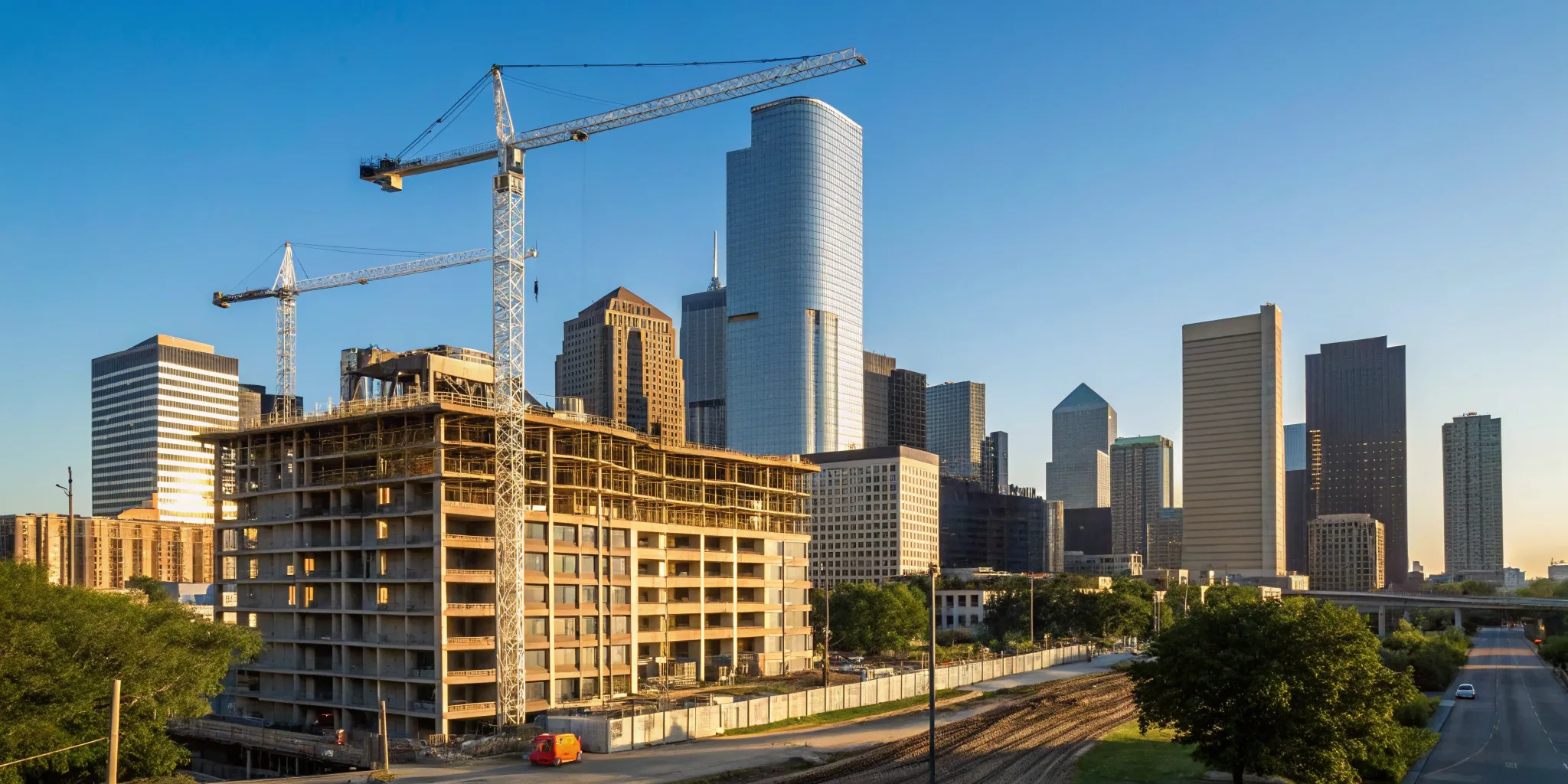

Tired of seeing the best Houston multifamily projects snatched up before you can even bid? By the time a development is public, the key players are already in place, leaving you a step behind. The secret isn't bidding faster; it's getting in sooner. Real success in multifamily building construction comes from spotting opportunities at the very beginning. We're talking land deals, early permits, and rezoning applications. This guide shows you how to find these upstream signals, connect with developers before they break ground, and position your firm as the essential partner for their next big project.
Key Takeaways
- Focus on in-demand projects: The market has shifted, so prioritize opportunities in growing segments like garden-style apartments and mixed-use communities. Your ability to deliver value and efficiency is what will win projects in this cost-conscious climate.
- Get in before the bid: The best projects are won through relationships, not just proposals. Use early project signals like permit applications and land sales to identify opportunities months ahead of time, giving you a crucial window to connect with developers.
- Use technology for a competitive edge: Adopt modern tools to work smarter. Use Building Information Modeling (BIM) to streamline construction and reduce rework, and leverage AI-powered platforms to automate project discovery so you can focus on building connections.
What is Multifamily Construction?
At its core, multifamily construction is the process of building residential structures designed to house multiple, separate families. Think beyond the single-family home with the white picket fence. We're talking about duplexes, townhouses, condominiums, and apartment buildings. These projects are the backbone of urban and suburban development, providing essential housing in densely populated areas like Houston and Dallas-Fort Worth. Unlike single-family homes, which are built for one household, multifamily buildings are designed for communal living, often sharing walls, foundations, and common amenities. This distinction is crucial because it changes everything from the project's scale and complexity to the zoning laws and building codes that govern its construction.
Understanding this sector is key for any general contractor looking to expand their portfolio. The demand for rental housing continues to grow, and with it, the opportunity to build the communities of tomorrow. These projects are not just about erecting buildings; they're about creating living spaces where hundreds or even thousands of people will live, work, and connect. From garden-style apartments in the suburbs to towering high-rises downtown, multifamily construction shapes the landscape of our cities and offers a steady stream of large-scale projects for firms that know how to find and win them.
Defining Multifamily vs. Single-Family Homes
The primary difference between multifamily and single-family construction lies in the number of housing units within a single structure. A single-family home is a standalone building designed for one family. Multifamily construction, on the other hand, involves creating buildings that contain two or more separate residences. This includes everything from a simple duplex with two units to a massive apartment complex with hundreds. This structural difference leads to more complex designs involving shared infrastructure like plumbing, electrical systems, and common areas such as lobbies, gyms, and parking garages. The scale and shared nature of these projects require a different level of planning, coordination, and expertise compared to building a single home.
Key Professionals on a Multifamily Project Team
A successful multifamily project relies on a well-coordinated team of professionals, each with a specific role. The developer is typically the visionary who identifies the opportunity and secures funding. The architect and engineers translate that vision into detailed blueprints and structural plans. At the center of it all is the commercial general contractor, who manages the entire building process. The GC is responsible for hiring subcontractors, procuring materials, navigating the permitting process, and ensuring the project is completed on time, within budget, and to the required quality standards. For subcontractors and suppliers, building a relationship with the GC and architect early on is critical to getting your services or products specified for the job.
Why Multifamily Buildings Are Classified as Commercial Property
Even though they are residential, multifamily buildings are almost always classified as commercial property. The reason is simple: they are built as income-generating assets. The owner or developer intends to make money by leasing the individual units to tenants. This commercial intent subjects these projects to different regulations than single-family homes. They must comply with commercial building codes, which are often stricter, and adhere to specific zoning laws that designate where such large-scale residential structures can be built. This classification impacts everything from financing and insurance to property taxes, making it a key distinction for anyone involved in the project.
Common Types of Multifamily Buildings
The world of multifamily construction is diverse, with several distinct building types that cater to different lifestyles, locations, and budgets. As a contractor, understanding these categories helps you target the right projects and tailor your approach to meet the specific demands of each. The design, materials, and construction methods can vary significantly between a low-rise suburban complex and a downtown high-rise. Developers in Texas are constantly evaluating which type of building will deliver the best return on investment, factoring in land costs, local demand, and construction expenses. Knowing the trends—like the current popularity of garden-style apartments and mixed-use developments—can give you an edge when speaking with potential clients and positioning your firm's expertise.
Low-Rise Buildings: Duplexes and Garden-Style Apartments
Low-rise buildings are typically four stories or fewer and are common in suburban or less dense urban areas. This category includes duplexes, triplexes, and fourplexes, which contain two, three, and four units in a single building, respectively. It also covers garden-style apartments, which are sprawling complexes of low-rise buildings connected by walkways, green spaces, and shared amenities like pools and clubhouses. These projects are often less complex and faster to build than their taller counterparts, making them a popular choice for developers. For contractors, they represent a steady stream of opportunities that often involve wood-frame construction and repeatable floor plans, allowing for efficient project execution.
Mid-Rise Buildings: A Blend of Community and Amenities
Striking a balance between density and a sense of community, mid-rise buildings usually stand between four and eight stories tall. Often found in transitional neighborhoods just outside of a city's core, they offer more units than low-rise structures without the massive scale of a high-rise. These buildings frequently feature elevators and underground or structured parking, and they often include a higher level of amenities, such as fitness centers, resident lounges, and business centers. Construction typically involves a concrete or steel podium for the first few floors with wood-frame construction above, requiring a versatile skill set from the construction team.
High-Rise Buildings: Urban Living at Scale
High-rise buildings are the giants of multifamily construction, soaring nine stories or higher. These structures are staples of dense urban centers where land is scarce and expensive. Building a high-rise is a complex undertaking, requiring deep foundations, steel or concrete superstructures, and sophisticated mechanical systems. They often boast premium amenities like rooftop pools, concierge services, and panoramic city views, commanding high rents. For general contractors, high-rise projects are significant, long-term commitments that demand extensive experience in complex project management and a strong network of specialized subcontractors.
Mixed-Use Developments: Combining Living, Work, and Play
Mixed-use developments are a growing trend in urban planning, combining residential units with commercial spaces like retail stores, restaurants, and offices all within a single project. This creates a vibrant, walkable community where residents can live, work, and socialize without needing a car. These projects are attractive to developers because they diversify revenue streams and create a built-in customer base for the commercial tenants. For contractors, mixed-use developments present a unique challenge, as they require expertise in both residential and commercial construction standards, often within the same building footprint.
Typical Apartment Unit Sizes
When planning a multifamily project, developers and architects spend a lot of time optimizing the unit mix to meet market demand. The size of the apartments directly impacts the project's cost and potential rental income. While sizes can vary based on the market and building type, some general standards have emerged. Studio apartments are typically the smallest, ranging from 300 to 500 square feet. One-bedroom units usually fall between 600 and 800 square feet, while two-bedroom apartments offer more space at 900 to 1,200 square feet. For larger families, three-bedroom units can range from 1,200 to 1,700 square feet or more.
The Multifamily Construction Process Explained
Bringing a multifamily project from an idea to a fully occupied building is a marathon, not a sprint. The process is typically broken down into three distinct phases: pre-construction, construction, and post-construction. Each stage has its own set of challenges, milestones, and key players. For general contractors, subcontractors, and suppliers, understanding this entire lifecycle is crucial. Your involvement might be focused on one phase, but knowing what comes before and after helps you anticipate needs, manage risks, and become a more valuable partner to the developer. The most successful firms don't just wait for the construction phase; they get involved early and stay engaged until the very end.
Phase 1: Pre-construction and Planning
The pre-construction phase is where projects are won or lost. This is the critical planning stage where the developer selects a site, conducts feasibility studies, secures financing, and works with architects to finalize the design. It's also when all the necessary permits are obtained from the city. For savvy contractors, this phase is the golden opportunity. By tracking early signals like land sales, rezoning applications, and initial permit filings, you can identify projects months before they go out to public bid. This gives you a crucial window to connect with the developer and architect, understand their vision, and position your company as the ideal partner long before the competition even knows the project exists.
Phase 2: The Building and Construction Stage
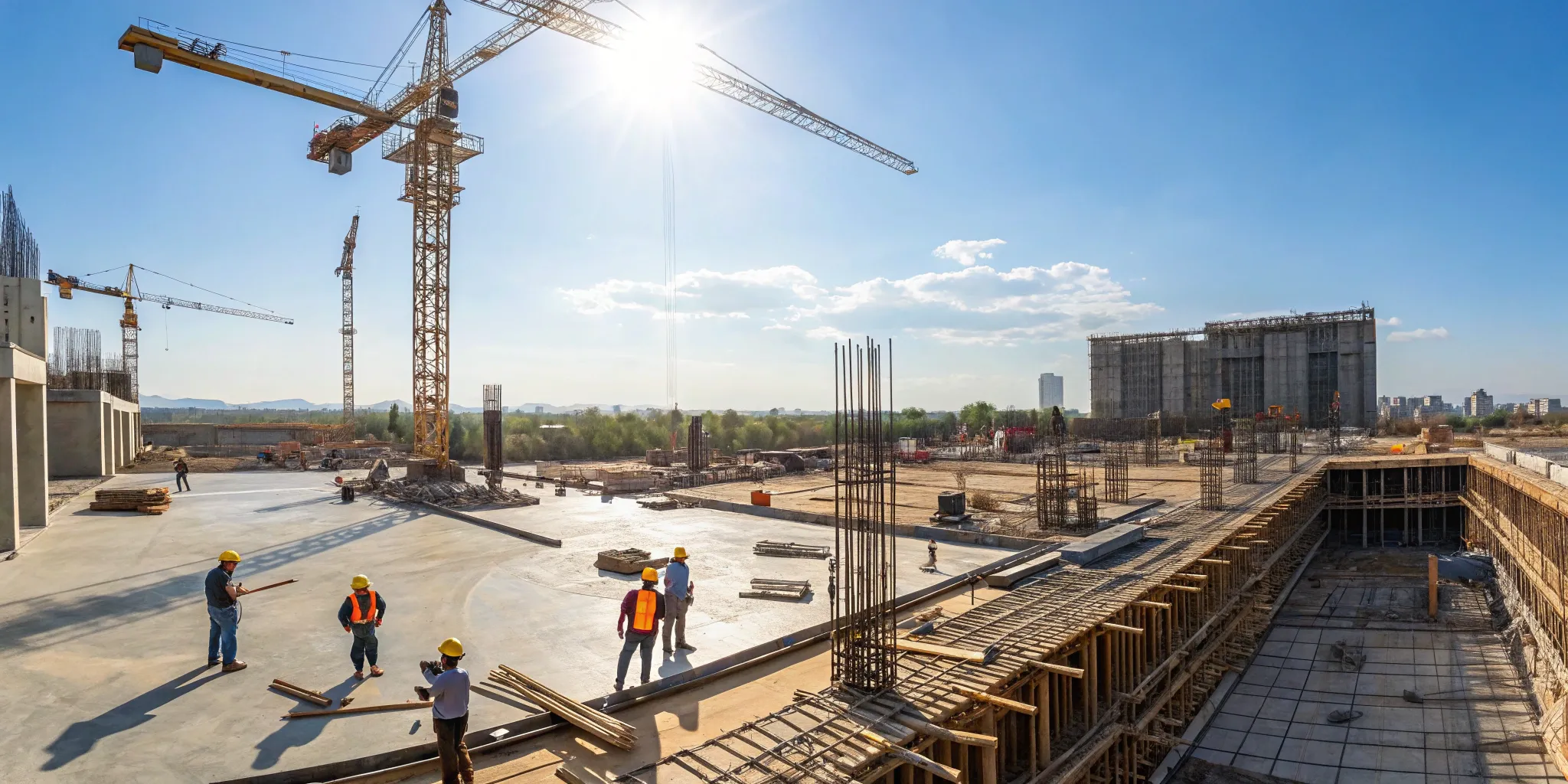
Once the plans are set and permits are in hand, the project moves into the active construction phase. This is where the vision starts to become a physical reality. The process begins with site preparation, excavation, and laying the foundation. From there, the building's structure is framed, whether with wood, steel, or concrete. Next comes the installation of the building's essential systems—plumbing, electrical, and HVAC—followed by roofing, windows, and exterior finishes. The final steps involve interior work like drywall, painting, flooring, and installing fixtures and appliances. This phase requires meticulous coordination of dozens of subcontractors and suppliers to keep the project on schedule and on budget.
Phase 3: Post-construction and Project Closeout
As the physical construction wraps up, the project enters the post-construction phase. This stage is all about final details and official handover. It involves thorough inspections from city officials to obtain the Certificate of Occupancy, which legally allows people to move in. The general contractor also conducts a final walkthrough with the developer to identify and address any remaining issues, a process known as creating a punch list. Once all work is complete and approved, the contractor provides the owner with all necessary documentation, including warranties and manuals for the building's systems. The project is then officially closed out, and the building is ready for its new residents.
What's Driving Houston's Multifamily Market?
Houston’s multi-family market is always moving, but the current landscape feels particularly dynamic. While the city’s strong job growth and steady influx of new residents keep demand for housing high, economic pressures are reshaping what gets built and how deals get done. For general contractors and suppliers, understanding these shifts is key to finding the right projects and partners.
The market is seeing a correction from its previous highs, creating a more competitive environment. Developers are becoming more selective, prioritizing projects that offer clear value and long-term stability. This means that successful contractors are the ones who can demonstrate efficiency, deep local knowledge, and the ability to deliver high-quality results despite economic headwinds. It’s a moment that calls for a strategic approach, focusing on building strong relationships and spotting opportunities before they become common knowledge.
The Economic and Social Impact of Multifamily Development
Multifamily projects are powerful economic engines for Houston. Each new development creates a ripple effect, generating construction jobs and stimulating the local economy through increased tax revenues and spending from new residents. In a market where developers are carefully weighing every investment, a project's ability to deliver this positive economic impact is a major selling point. When you understand this bigger picture, you can frame your value proposition more effectively. You’re not just bidding on a job; you’re showing a potential partner how your firm contributes to the long-term success and vitality of their investment and the surrounding community.
Beyond the balance sheet, these developments address critical social needs. As Houston’s population grows, multifamily housing provides essential and often more affordable living options that foster a sense of community and make public transit and local services more accessible. There's also a growing emphasis on sustainable building practices, which not only reduce operational costs for developers but also lower utility bills for residents, increasing tenant satisfaction and retention. This commitment to building efficient, connected, and sustainable communities is a key driver behind the most successful projects in today’s market.
A Snapshot of Houston's Current Market
The numbers show a clear shift in the market. In 2023, multi-family transactions closed at roughly $110,000 per unit, marking a huge drop from the $150,000 per unit seen in previous years. This isn't just a minor dip; it's a significant market adjustment that reflects broader economic challenges. For contractors, this means developers are likely scrutinizing budgets more than ever. Your ability to provide accurate bids, manage costs effectively, and offer value engineering solutions will be critical. This pricing pressure also signals a flight to quality, where well-capitalized developers with solid track records are the ones most likely to move forward with new projects.
Which Multifamily Projects Are in High Demand?
Despite the market correction, demand hasn't disappeared—it has diversified. Houston needs more than just luxury high-rises. Successful developers are building a range of structures to meet varied community needs, from sprawling garden-style apartment complexes in the suburbs to specialized military and student housing near bases and universities. This variety creates opportunities for contractors with different specializations. If your team excels at wood-frame construction, the demand for garden-style apartments is a major plus. If you have experience with the unique requirements of student housing, you can carve out a valuable niche. The key is to align your expertise with the specific project types that are getting funded and built right now.
Key Economic Drivers to Watch
Several major economic forces are shaping the current market. Since interest rates began to rise, the cost of financing has become a significant hurdle, putting a squeeze on project viability. As a result, more properties are facing distress in the city, creating a complex environment for both new construction and renovations. Beyond financing, developers are also dealing with rising material costs, persistent labor shortages, and regulatory hurdles that can slow down timelines. For contractors, this environment requires proactive communication and a solid risk management strategy. Being prepared for these challenges and helping your clients plan for them can set you apart as a reliable and essential partner.
Top Trends in Houston Multifamily Building Construction
Houston’s multi-family market is constantly evolving, and staying ahead of the curve is what separates the busiest contractors from the rest. Developers are responding to new tenant expectations, which means projects are changing in scope, design, and function. For general contractors, subs, and suppliers, understanding these shifts is key to positioning your business for the right opportunities. From sprawling garden-style communities to tech-integrated high-rises, the projects breaking ground today look different than they did just a few years ago. Let’s walk through the four biggest trends shaping what gets built next.
Why Garden-Style Apartments Are Booming
While Houston’s skyline is impressive, much of the new multi-family development is happening closer to the ground. Garden-style apartments—typically low-rise buildings spread across a larger property with more green space—are seeing a major surge in popularity. These communities offer a blend of suburban comfort and urban accessibility that appeals to a wide range of renters, from young professionals to small families. For tenants, the appeal is more space, outdoor amenities like pools and parks, and surface parking. For developers, this model can be more cost-effective to build. As a contractor, this trend means more opportunities in wood-frame construction and extensive site and landscaping work.
Why Mixed-Use Projects Are Gaining Ground
The line between where people live, work, and socialize is blurring, and developers are taking note. Mixed-use projects that combine residential units with retail, office, and recreational spaces are becoming a fixture in Houston’s development landscape. The goal is to create vibrant, self-contained communities where residents can handle daily errands, grab dinner, or head to the gym without ever getting in their car. A perfect example is the plan to transform the former Halliburton campus into Park Eight Place, a walkable, 70-acre mixed-use destination. These projects are complex and require contractors with experience coordinating across commercial and residential buildouts.
Smart Home Tech: A Must-Have Amenity
Today’s renters don’t just want a nice apartment; they expect a connected one. Smart home technology is quickly moving from a luxury amenity to a standard feature in new multi-family construction. This goes beyond just providing high-speed internet. We’re talking about built-in smart thermostats, keyless entry systems, smart lighting, and integrated security that residents can control from their phones. According to industry experts, these are some of the key Future Trends in Apartment Construction. For electrical and low-voltage subcontractors, this trend presents a massive opportunity to become a go-to partner for developers looking to build future-proof properties.
The Shift Toward Sustainable Building Practices
Green building isn’t just a buzzword anymore—it’s a business decision. Developers are increasingly adopting sustainable building practices because they make financial sense. Using energy-efficient materials, installing high-performance HVAC systems, and incorporating water-saving fixtures can significantly lower a building's long-term operating costs. Plus, a growing number of renters are actively seeking out eco-friendly living spaces and are willing to pay a premium for them. As one local builder notes, sustainable construction practices not only improve efficiency but also serve as a major draw for tenants, giving developers a clear competitive edge in a crowded market.
The Rise of Modular Construction and Open Floor Plans
Efficiency is the name of the game right now, and that’s pushing developers to explore smarter ways to build. Enter modular construction. This isn't about cookie-cutter designs; it's about building components—or entire units—in a controlled factory setting and then assembling them on-site. This approach is gaining serious traction, especially in the multifamily sector, because it directly addresses today's biggest pain points. The surge is driven by cost efficiency and schedule reliability. By moving much of the work off-site, projects can move faster with less waste and fewer weather delays. This trend is paired with a strong tenant preference for open floor plans, which create a sense of space and flexibility. Modular methods are perfectly suited to deliver these modern, airy layouts, giving developers a way to build efficiently without sacrificing the design elements that attract renters.
Who Are Houston's Top Multifamily Builders?
Houston's multi-family market is buzzing with activity, and if you're looking to grow your business here, you need to know who's leading the charge. Getting familiar with the top general contractors isn't just about knowing names; it's about understanding their project pipelines, their specialties, and what they look for in partners. Whether you're a subcontractor aiming to get on a bid list or a supplier hoping to get your products specified, building relationships with these key players is your first step. Here’s a look at some of the most active and respected multi-family builders shaping the Houston skyline.
Leaders from the Mercator.ai Network
This is where knowing the right people at the right time makes all the difference. With so many projects in motion, getting early visibility is crucial. That's exactly why Mercator.ai brings its visionary AI business development platform to Houston, helping you connect the dots long before a project goes public. Our platform helps you map your existing network and uncover hidden relationships with decision-makers at top firms, including the ones on this list. By tracking early signals like land development and permit activity, you can identify opportunities and start building relationships months ahead of the competition, positioning yourself as the go-to partner for Houston’s leading builders.
FSI Construction
With deep roots in Houston, FSI Construction has become a major force in the multi-family sector. Specializing in both new construction and renovations, they’ve built a solid reputation since starting in 2004. What began as a local Houston company has expanded significantly, with a portfolio that now spans more than 20 states. This growth speaks to their expertise and reliability in delivering complex multi-family housing projects. For subcontractors and suppliers, FSI’s extensive experience and wide-ranging projects offer diverse opportunities to partner on everything from ground-up developments to large-scale renovations, both in Texas and beyond.
Satterfield & Pontikes Construction
When it comes to versatility in multi-family construction, Satterfield & Pontikes (S&P) is a name you’ll hear often. Their portfolio isn't limited to one type of project; instead, they have a broad range of experience that showcases their adaptability. S&P’s multi-family work includes everything from sprawling garden-style apartment complexes to specialized structures like military and student housing. This diverse expertise makes them a key player for a wide variety of projects across Houston. For partners, this means S&P is equipped to handle unique project requirements and has a deep understanding of different multi-family sub-markets, making them a stable and knowledgeable general contractor to work with.
VCC Construction
VCC is a true construction powerhouse, not just in Houston but across the country. Their reputation is backed by numerous awards and consistent recognition as one of ENR’s Top 400 contractors since 2015. This level of industry acknowledgment highlights their commitment to excellence and their ability to deliver high-quality projects at scale. As one of the best multifamily contractors in Houston, VCC is known for tackling large, complex developments. Working with a firm like VCC means being part of high-profile projects managed by a team with a proven track record for success and a well-established presence in the market.
Dinerstein Companies
As one of the nation's largest multi-family contractors, The Dinerstein Companies (TDC) is a major player in Houston's development scene. Their size and scale are impressive, but it's their reputation that truly sets them apart. TDC is widely recognized for its exceptional work quality, professionalism, and responsiveness. These are the qualities that create strong, lasting partnerships with subcontractors and suppliers. For anyone looking to work with a GC that values clear communication and high standards, TDC is a top choice. Their extensive pipeline of projects offers significant opportunities for partners who can meet their bar for excellence.
Hand Construction
Hand Construction has carved out a strong niche in the Houston market, particularly in building affordable housing for seniors. They are celebrated for their high-quality craftsmanship, unwavering professionalism, and consistent ability to complete projects on time. This focus on a specific, vital sector of the multi-family market demonstrates their specialized expertise. According to industry observers, their reputation for being on time makes them a reliable and sought-after partner. For subcontractors and suppliers with experience in affordable housing or senior living facilities, Hand Construction represents a key opportunity to work with a respected and mission-driven builder.
How to Choose the Right Houston Multifamily Contractor
Selecting the right general contractor for a multi-family project in Houston is one of the most critical decisions you'll make. This isn't just about finding the lowest bid; it's about securing a true partner who can guide your project from a blueprint to a thriving community. The right contractor acts as the central hub for the entire build, managing everything from timelines and budgets to subcontractors and safety protocols. A great one brings your vision to life, while a poor choice can lead to costly delays, budget overruns, and endless headaches.
So, what separates the best from the rest? It comes down to a combination of specialized experience, comprehensive service, and a forward-thinking approach. You need a team that not only understands the complexities of multi-family construction but also knows the Houston market inside and out. They should have a proven history of success, strong relationships with local suppliers, and a commitment to using technology to build more efficiently. By focusing on a few key areas, you can confidently identify a contractor who will be a genuine asset to your project.
Prioritize Proven Multifamily Experience
Building a 200-unit apartment complex is fundamentally different from building a custom home. Multi-family projects involve intricate logistics, overlapping construction phases, and a deep understanding of what makes a residential community functional and desirable. When vetting contractors, look for a portfolio filled with projects similar to yours, whether they are garden-style apartments, mixed-use developments, or high-rise towers. An experienced multi-family builder knows the specific building codes, understands tenant expectations, and has already solved the unique challenges that come with building at scale. They’re not just constructing a building; they’re creating a place for people to live, and that requires a specialized skill set.
Look for a Partner with End-to-End Services
The most effective multi-family contractors offer more than just construction management. Look for a full-service partner who can support you through every stage of the project, from pre-construction planning and design-assist to final closeout. Companies like FSI Construction aim to be a single point of contact, handling the complexities so you don't have to. This integrated approach streamlines communication, reduces the risk of errors, and ensures that everyone is aligned from day one. A contractor who is involved early can provide valuable input on constructability and cost-engineering, helping you make smarter decisions that save time and money down the road.
Focus on Technology and Innovation
In today’s market, the best contractors leverage technology to deliver projects more efficiently and with greater precision. A team that embraces innovation is a team that values accuracy, transparency, and performance. Ask potential partners about their use of tools like Building Information Modeling (BIM) for clash detection, virtual design for planning, and AI-powered platforms for project management. A contractor’s commitment to technology is a strong indicator of their ability to manage complex projects, control costs, and keep you informed. This forward-thinking mindset is exactly what helps leading firms gain a competitive edge in a busy market like Houston.
Gauge Their Local Market Knowledge
Houston has its own unique construction landscape, from its specific permitting processes to its network of trusted subcontractors and suppliers. A contractor with deep roots in the area brings an invaluable advantage. They understand the local labor market, have established relationships that can ensure quality and reliability, and know how to work with municipal authorities to keep the project moving forward. This local expertise helps prevent unforeseen delays and ensures your project is built to withstand the region’s specific environmental conditions. You can even get a sense of local activity yourself by exploring Houston’s building permit data.
Review Their Track Record and Client Reviews
Past performance is one of the most reliable predictors of future success. Before signing a contract, do your homework. Ask for a list of recent multi-family projects and speak directly with their past clients. Inquire about their experience with communication, budget adherence, and the contractor's ability to solve problems as they arose. A reputable contractor will be proud to share their references and showcase their work. Reviewing a firm’s portfolio and hearing directly from previous clients, like in these customer stories, gives you a clear picture of what you can expect and helps you build confidence in your choice.
What Construction Services Do Top Multifamily Builders Offer?
The best multi-family contractors in Houston do more than just manage a job site. They act as strategic partners, offering a suite of services that cover a project’s entire lifecycle, from the initial sketch to long-term maintenance. For subcontractors and suppliers, understanding the full scope of what these top-tier firms provide is key. It helps you identify the right partners for your own business and find more opportunities to collaborate earlier in the process. They’re not just waiting for a bid invitation; they’re helping developers shape projects from day one, and that's where the most valuable relationships are built.
When a general contractor is involved in pre-construction, they influence material selection and specialty trade partner choices long before the project goes out to public bid. By recognizing which GCs offer comprehensive renovation services, you can tap into a steady stream of work beyond new construction. Knowing their full range of services allows you to position your own offerings more effectively, whether it's for a new build, a major renovation, or even an emergency repair. This holistic view of their business helps you see them not just as a potential client for one job, but as a long-term channel for repeat business.
Design and Pre-construction Planning
Before a single shovel hits the ground, leading contractors are already hard at work. This pre-construction phase is where a project’s fate is often decided. Top firms provide critical input on constructability, budgeting, and scheduling to ensure the project is viable and set up for success. They collaborate with architects and engineers to refine designs, perform value engineering to optimize costs without sacrificing quality, and conduct due diligence to assess a property's potential and risks. As a full-service partner, a company like FSI Construction aims to handle these early stages, giving their clients a clear path forward before making major financial commitments.
General Contracting and Project Management
This is the core of what a general contractor does: turning blueprints into buildings. But for the best in the business, it’s about more than just oversight—it’s about meticulous project management. This includes everything from coordinating subcontractors and managing supply chains to enforcing safety protocols and ensuring quality control at every step. Firms like Satterfield & Pontikes leverage their extensive experience to assemble the right teams for complex projects, from garden-style apartments to high-density housing. They serve as the central point of communication, keeping developers, designers, and investors aligned and informed from groundbreaking to final walkthrough.
Renovation and Modernization Services
Houston’s multi-family market isn’t just about new builds. There’s a huge demand for renovating and modernizing existing properties. Leading contractors have dedicated teams that specialize in this work, whether it’s a simple cosmetic update or a complex gut renovation. They understand the unique challenges of working in occupied buildings and focus on minimizing disruption for residents. This service also includes adaptive reuse projects, where contractors transform older, underutilized buildings into modern apartment communities. This expertise is crucial for investors looking to add value to an existing portfolio or reposition an asset in the market, creating a consistent pipeline of opportunities for specialized trades.
Emergency Response and Recovery
When disaster strikes, you need a partner who can act fast. Top multi-family contractors often provide emergency response services to help property owners recover from fires, floods, or major storms. These rapid-response teams are available 24/7 to secure a property, assess the damage, and begin the restoration process immediately. The goal is to get the property stabilized and back to normal as quickly as possible, minimizing downtime and financial loss for the owner. This service demonstrates a contractor's commitment to being a true long-term partner, ready to help clients protect their assets no matter what happens.
Common Challenges in Houston Multifamily Construction (And How to Solve Them)
The Houston multi-family market is full of opportunity, but it’s not without its hurdles. From unpredictable costs to permitting headaches, every project has its own set of challenges. The key isn’t avoiding these problems—it’s anticipating them and having a solid plan in place. Let’s walk through some of the most common obstacles Houston builders face and discuss practical ways to solve them.
How to Manage Rising Material and Labor Costs
Rising material and labor costs are a constant pressure point for developers and contractors. Keeping a project on budget requires more than just careful accounting; it demands proactive management. One of the best strategies is to get involved in projects as early as possible. This upstream visibility allows you to lock in material prices before they escalate and secure skilled labor ahead of demand spikes. Implementing value engineering during the pre-construction phase can also identify cost-saving alternatives without sacrificing quality. By staying ahead of the curve, you can better handle increasing expenses and protect your profit margins from market volatility.
Overcoming Supply Chain Disruptions
Few things can derail a project timeline faster than a supply chain snag. Delays in material availability and sudden price hikes can have a ripple effect, impacting every subsequent phase of construction. To mitigate these risks, avoid relying on a single source for critical materials. Building a diverse network of trusted suppliers gives you flexibility when one channel is disrupted. When possible, work with your partners to establish firm pricing agreements to shield your budget from unexpected increases. Strong relationships are your best defense here—when you have a solid partnership with your suppliers, you can work together to find solutions instead of just pointing fingers.
Securing Financing in an Uncertain Economy
The economic climate directly impacts project feasibility, and securing financing has become more challenging. With interest rates in flux and transaction values shifting, lenders are more cautious. We've seen signs of distress emerge in the multifamily sector, making it crucial for builders to present a rock-solid case for their projects. This means having your numbers buttoned up, demonstrating a clear understanding of market demand, and showcasing a strong track record. Being prepared to explore different financing options and clearly communicating your project’s value proposition can make all the difference in getting the green light from lenders in a tight market.
Clearing regulatory hurdles and permitting delays
Working through Houston’s permitting process can feel like a significant bottleneck. Delays in obtaining the necessary permits can stall a project before a single shovel hits the ground, leading to costly standstills. The best approach is to be proactive. Engage with regulatory bodies early in the pre-construction phase to understand requirements and anticipate potential roadblocks. Having an expert on your team who knows the local codes inside and out is invaluable. You can also use technology to your advantage. Tools like Mercator.ai’s Free Permits App help you track permit activity across the city, giving you real-time insight into what’s happening and helping you stay ahead of the game.
Affordable vs. Luxury Housing Considerations
The Houston market offers a spectrum of opportunities, from high-end luxury towers to essential affordable housing developments. While the fundamental building costs for both can be similar, the project economics are worlds apart. Luxury projects focus on premium amenities and high-end finishes to justify top-market rents, while affordable housing projects operate on a different model. These developments often rely on government incentives, like tax credits or low-interest loans, to make them financially viable for developers. For contractors, this distinction is crucial. The demand in Houston has diversified, and there's a clear need for a range of housing options. Understanding the financial drivers behind each project type helps you align your services with the right developers and position your firm to win work in either of these vital market segments.
Breaking Down Costs and Timelines for Houston Projects
Before you can even think about breaking ground, two questions always come up: "How much will it cost?" and "How long will it take?" In a market as dynamic as Houston, the answers aren't always simple. Having a solid grasp of the typical budgets and schedules for multi-family projects is key to managing expectations, bidding accurately, and keeping your projects on track. Think of these numbers as a baseline—a starting point for your own detailed planning and analysis. With the right data, you can confidently walk into developer meetings and plan your resource allocation for the months ahead.
Average Project Costs by Development Type
The cost of a multi-family construction project in Houston can swing dramatically depending on the scale and complexity. According to an analysis of the best multifamily contractors in Houston, projects can range from $100,000 to over $1.4 million, with some high-end developments reaching nearly $2 million. This wide spectrum covers everything from smaller apartment renovations to large, ground-up luxury complexes. Factors like the number of units, quality of finishes, and scope of amenities all play a major role in the final price tag. For general contractors and suppliers, understanding where a potential project falls on this spectrum is the first step in qualifying the opportunity.
Understanding Hard, Soft, and Land Costs
A project's budget is typically broken down into three main buckets. First, you have land costs, which usually account for 10-20% of the total and cover the purchase of the property itself. Next are the hard costs, the largest piece of the pie at 50-70%. This category includes all the tangible elements of construction—the materials, labor, and equipment needed to physically build the structure. Finally, soft costs make up the remaining 20-30%. These are the indirect expenses that are just as critical, covering things like architectural and engineering fees, permits, insurance, and legal services. Understanding this cost breakdown is essential for creating an accurate bid and managing a project's financial health from start to finish.
The Importance of a Contingency Fund
No matter how well you plan, construction projects rarely go exactly as expected. That’s where a contingency fund comes in. This is a dedicated portion of the budget, typically between 5-10% of the total project cost, set aside specifically for unforeseen problems. Think of it as your project’s financial safety net. It’s there to cover unexpected material price spikes, weather delays, or surprise site conditions that require a change in plans. Having a healthy contingency fund isn't a sign of poor planning; it's a mark of a seasoned professional who understands the realities of construction and is prepared to handle challenges without derailing the entire project.
What to Expect for Project Timelines
When it comes to scheduling, a good rule of thumb for a standard multi-family project in Houston is about nine months from start to finish. Of course, this is just an average. A straightforward garden-style apartment complex will likely move faster than a complex mixed-use development with underground parking and retail space. This nine-month baseline is a useful benchmark for initial planning, helping you map out labor needs and material orders. However, always be prepared to adjust this timeline based on the specific demands of the project, potential permitting delays, and even Houston’s unpredictable weather.
Key Factors That Impact Your Budget and Schedule
Several critical factors can throw a wrench in even the most carefully planned project. The current economic climate presents a few key challenges in multifamily housing, including rising material costs and persistent supply chain disruptions that affect both availability and pricing. On top of that, navigating regulatory hurdles and the permitting process can add unexpected delays. As a contractor or supplier, staying ahead of these issues means building buffer time into your schedule, communicating proactively with developers about potential cost escalations, and having contingency plans in place for sourcing materials. Acknowledging these variables from the outset is crucial for protecting your margins and your reputation.
The Tech Shaping Houston's Multifamily Projects
Technology is no longer just an add-on in construction; it’s a core part of how successful multi-family projects get built. In a competitive market like Houston, the right tech stack gives you a serious advantage. It helps teams work together more smoothly, catch problems before they cost money, and deliver higher-quality buildings on schedule. From the initial design phase to the final walkthrough, innovative tools are changing how contractors plan, manage, and execute their work. This isn't about chasing shiny objects; it's about adopting practical solutions that solve real-world problems like labor shortages, material cost volatility, and tight deadlines.
Leading firms are adopting these technologies not just to keep up, but to set new standards for what’s possible in multi-family development. They’re using digital models to visualize every detail, AI to find their next big project, and even advanced manufacturing to build faster and more efficiently. For general contractors and subcontractors, understanding and using these tools is key to staying competitive and profitable in Houston’s dynamic market. Let's look at the specific technologies making the biggest impact.
Building Information Modeling (BIM)
Think of Building Information Modeling (BIM) as the central nervous system for a construction project. It’s much more than a 3D model; it’s an intelligent process that gives everyone—from architects to subcontractors—a clear, shared understanding of the project. As Satterfield & Pontikes notes, BIM is revolutionizing how multi-family projects are designed and built. By creating a detailed digital representation of the building, teams can enhance collaboration and efficiency from start to finish. This means you can spot clashes between plumbing and electrical systems before anyone ever steps on site, leading to fewer change orders, less rework, and a much smoother workflow for everyone involved.
Virtual Design and Construction (VDC)
If BIM is the detailed blueprint, Virtual Design and Construction (VDC) is the instruction manual for how to build it. VDC uses BIM models to simulate the entire construction process. This practice helps teams visualize project sequencing, plan logistics, and improve safety before breaking ground. For complex multi-family high-rises, VDC is a game-changer. It allows project teams to reduce rework and increase value by running through the build virtually. By identifying potential roadblocks and optimizing the schedule in a digital environment, you can ensure the physical construction process is as efficient and predictable as possible, saving both time and money.
AI-Powered Project Management
Artificial intelligence is moving from the realm of science fiction to a practical tool on the construction site and in the back office. AI is helping firms manage everything from project schedules and budgets to safety monitoring. More importantly, it’s changing how companies find work in the first place. Platforms like Mercator.ai are transforming the construction landscape in Houston by using AI to identify development opportunities months before they become public knowledge. This gives contractors a critical head start, allowing them to build relationships and get involved in projects earlier than the competition. It’s about working smarter, not just harder.
Advanced Manufacturing Techniques
The way we build is also changing, thanks to techniques borrowed from the manufacturing industry. Methods like prefabrication, modular construction, and 3D printing are gaining traction in Houston’s multi-family sector. These approaches involve creating building components off-site in a controlled factory setting before transporting them for assembly. This leads to faster build times, higher quality control, and less on-site waste. Groundbreaking projects, like the first multi-story 3D printed home in Houston, show the incredible potential of these methods. For multi-family projects with repetitive units, these techniques offer a powerful way to streamline construction and improve the bottom line.
Your Guide to Houston's Multifamily Permitting Process
The permitting process in Houston can feel like its own complex project, but with a clear understanding of the rules, you can keep your multi-family development on track. Think of it as the essential foundation for a smooth build. Getting it right from the start saves you from costly delays and headaches down the road. The Houston Permitting Center is the main hub for all construction activity, and its job is to make sure every project meets the city’s safety and quality standards. To do that, they focus on three key areas: building codes, zoning rules, and on-site inspections. Let’s break down what you need to know about each one.
Types of Permits Required for Multifamily Projects
Before you can start construction, you'll need to secure several key permits to ensure your project is fully compliant with local laws and safety rules. This isn't just a single piece of paper; it's a collection of approvals covering different aspects of the build. You'll typically need zoning approvals to confirm the land can be used for apartments, environmental permits to address any site-specific ecological concerns, and a series of building permits. These are the most detailed, covering everything from the structural integrity of the building to its electrical, plumbing, and fire safety systems. Engaging with regulatory bodies early is one of the best ways to clear regulatory hurdles and keep your project on schedule from the very beginning.
Meeting Building Codes and Compliance Standards
First things first: Houston’s building codes are the rulebook for your project. The city uses internationally recognized codes but also adds its own local amendments to address specific community needs. It’s your responsibility to know which codes apply to your multi-family project. The Houston Permitting Center reviews your plans and conducts inspections to ensure every aspect of your build, from the foundation to the roof, is in full compliance. Staying informed about the latest code updates isn’t just good practice—it’s essential for preventing stop-work orders and ensuring your project moves forward without a hitch.
Key Zoning Considerations for Approval
Before a single shovel hits the ground, you have to confirm the project is allowed on the property. Houston’s zoning laws dictate what type of building can be constructed in a specific area, whether it’s designated for commercial, industrial, or mixed-use purposes. Getting this wrong can stop a project in its tracks. That’s why early due diligence is so important. You’ll need to work with the city to secure the necessary approvals and confirm that your multi-family development aligns with the area’s zoning classification. This step protects your investment and ensures the project is viable from day one.
What to Expect from City Inspections
Inspections are the city’s way of verifying that the work on-site matches the approved plans. Throughout the construction lifecycle, a building official will visit your site to check on progress and ensure compliance. Be prepared for multiple visits, including pre-construction and pre-fill inspections. A critical rule is to always have the approved plans physically on-site for the inspector to review. Failing to meet inspection requirements can lead to serious consequences, including penalty fees and work stoppages that can throw your entire project timeline off course. Keeping everything organized and ready for review is key to passing inspections smoothly.
How to Find Your Next Multifamily Project in Houston
Landing your next big multi-family project in Houston isn’t about waiting for an invitation to bid—it’s about getting in on the ground floor. In a market this competitive, the most successful contractors are the ones who spot opportunities months before they become common knowledge. This means shifting your focus from chasing public tenders to proactively identifying private projects and building relationships with the decision-makers behind them. By combining smart strategies with the right technology, you can get ahead of the curve and position your firm as the go-to partner for Houston’s top developers.
How to Identify New Projects Early
The key to getting ahead is to look for the earliest signs of development. Instead of waiting for a project to be announced, track upstream indicators like title transfers, rezoning applications, and early permit activity. These actions are the first clues that a piece of land is being prepared for a new development. By monitoring these signals, you can identify potential multi-family projects long before your competitors do. This early insight gives you a critical advantage, allowing you to start your due diligence and outreach while others are still in the dark. A visionary AI business development platform can provide real-time alerts on these activities, turning market whispers into actionable leads.
Building Relationships with Developers and Owners
Identifying a project early is just the first step. The real goal is to use that head start to build a strong relationship with the developer or owner. As one industry expert notes, a good contractor is a "partner who helps bring your vision to life." When you connect with stakeholders early in their planning process, you have the opportunity to understand their goals, offer valuable pre-construction insights, and build the trust needed to become that essential partner. This proactive approach helps you move beyond the traditional bidding process and get your services specified from the beginning, securing the project before it ever hits the open market.
Using Technology to Discover and Track Projects
Manually tracking every potential project across Houston is impossible. This is where technology becomes your most valuable asset. Modern platforms can analyze vast datasets to flag early development signals and deliver real-time alerts directly to you. Instead of spending hours searching through public records, you can get a curated list of qualified opportunities. This allows you to focus your energy on what you do best: building relationships and winning projects. By leveraging technology like a free permits app to automate discovery and tracking, you can ensure you never miss a chance to connect with the right people at the perfect time, just as a project is taking shape.
Related Articles
- Commercial Construction Texas: The Ultimate Guide
- Houston Industrial Project Alerts: The 2025 Guide
- Texas Commercial Construction: A Complete 2025 Guide
- Commercial Developer Tracking Austin: A 2025 Guide
Frequently Asked Questions
With financing getting tighter, are multi-family projects in Houston slowing down? It’s less of a slowdown and more of a strategic shift. While higher interest rates have made developers more selective, projects are definitely still moving forward. We're seeing a "flight to quality," where well-funded developers with strong track records are the ones breaking ground. They are focusing on projects that meet very specific market demands, so the opportunities are there, but you have to be more strategic in finding them.
It seems like everyone is building garden-style apartments. Are other types of projects still happening? Garden-style apartments are certainly having a moment, but they are far from the only game in town. The Houston market is diversifying to meet a wide range of needs. We're seeing a steady demand for complex mixed-use developments that blend living spaces with retail, as well as specialized projects like student and military housing. There are plenty of opportunities for contractors who have experience beyond typical wood-frame construction.
How can my company get on the bid list for top GCs before a project is widely known? The most effective approach is to shift your focus from finding bid lists to building relationships early. The real opportunity lies in connecting with developers and owners while they are still in the initial planning stages, long before a GC is even chosen. By tracking early signals like title transfers and rezoning activity, you can identify a project months ahead of time and position yourself as a valuable partner from the very beginning.
Beyond new builds, what are the biggest opportunities for subcontractors and suppliers right now? The market for renovating and modernizing Houston's existing apartment stock is enormous. Many property owners are investing heavily to update their buildings with modern amenities and sustainable features to stay competitive. This creates a steady stream of work for trades specializing in interior finishes, electrical upgrades, and HVAC systems. This work is often less dependent on the economic cycles that affect new construction.
With so many challenges like supply chain issues and permitting delays, what's the best way to protect my project's timeline and budget? The key is to be proactive rather than reactive. You can get ahead of most problems with thorough pre-construction planning. This means engaging with city officials early to understand permitting requirements, building a diverse network of trusted suppliers to avoid being dependent on a single source, and using technology like BIM to identify and resolve design clashes before they cause rework on site.
AI-powered business development for the construction industry
Schedule a time to discuss your use case and walk through a custom demo of the platform.