
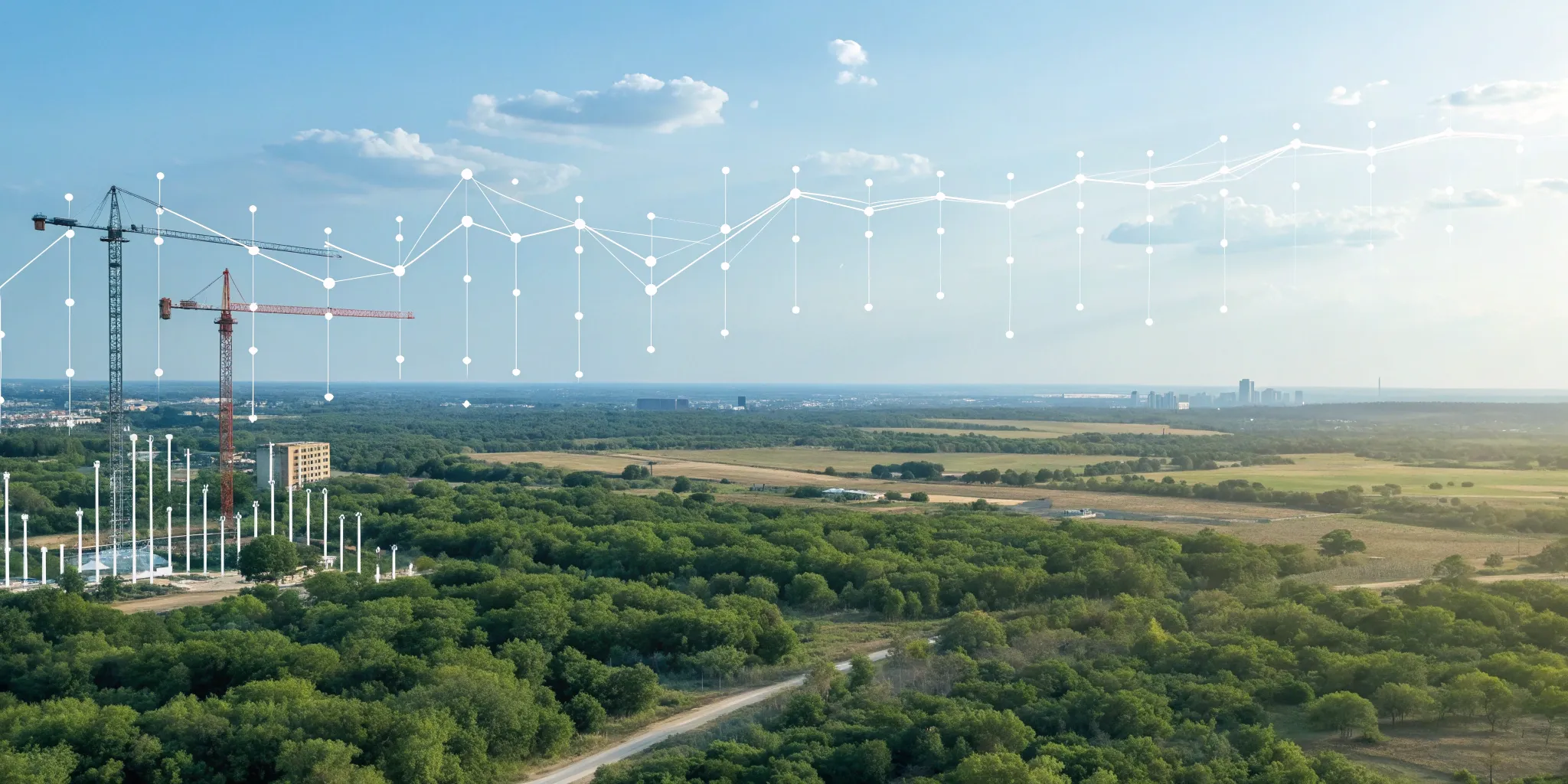

Building in Austin is a world away from building in Houston. The opportunities, the key players, and the economic drivers are completely different. The industry has changed dramatically since the days when texas construction employment 2006 was driven by a different set of forces. Today, your success depends on understanding the unique dynamics of your specific market. To truly capitalize on local trends and the latest texas industrial construction news, you need more than just boots on the ground. You need reliable construction data. This guide explores the distinct trends in each major city and shows you how to find the project data that matters most to your business.
Key Takeaways
- Focus on the right markets and sectors: Texas construction is a massive, multi-billion dollar industry, but the best opportunities are concentrated. Direct your business development efforts toward the high-growth commercial, industrial, and residential sectors in major metros like Austin, DFW, Houston, and San Antonio to win the most valuable projects.
- Build a team for the modern job site: Technical expertise is only part of the equation. The most successful firms tackle the labor shortage by developing well-rounded teams that combine essential soft skills, non-negotiable safety certifications, and a comfort with new construction technology.
- Find private projects before they become public: Shift from reacting to bid lists to proactively discovering opportunities. Use technology that analyzes early-stage signals like land deals and permit activity to get a critical head start, build relationships with key players, and win work before your competition is even aware of the project.
Just How Big is the Texas Construction Industry?
It’s no secret that construction in Texas is a massive undertaking, but the numbers behind the boom are truly staggering. Understanding the scale of the industry helps put your own projects and business goals into perspective. It’s not just about the individual buildings going up; it’s about being part of a powerful economic engine that shapes the entire state. When you see the data, you realize just how many opportunities are out there waiting to be found.
This industry is a cornerstone of the Texas economy, creating a ripple effect that supports countless other businesses and communities. From the materials you source to the local lunch spots your crew visits, every construction project contributes to a much larger picture of growth and prosperity. Let's break down what that looks like in real numbers, so you can see exactly how your work fits into the state's economic landscape and why finding the right projects early is so critical for capturing your piece of the pie.
What the GDP and Revenue Numbers Tell Us
To get a sense of the industry's financial weight, let's look at the numbers. Data from the Texas Comptroller shows the construction industry added around $91.2 billion to the state’s economy. While that figure is from a few years back, it establishes a powerful baseline for an industry that has only continued to expand. This isn't just an abstract number; it represents the combined value of every commercial high-rise, residential development, and industrial facility built across the state. For general contractors and suppliers, this massive contribution to the state's GDP translates directly into a deep well of potential revenue and a steady stream of projects.
Beyond the Job Site: The Economic Ripple Effect
The impact of construction extends far beyond the job site. The industry is a major catalyst for growth in other sectors, creating a powerful economic ripple effect. For every 100 construction jobs, an additional 119 jobs are supported in other Texas industries. Think about the architects, engineers, material manufacturers, and transportation companies that all play a role. Furthermore, for every $1 million in construction sales, another $1.22 million in sales is generated elsewhere in the Texas economy. Your projects don't just create buildings; they fuel a much larger economic engine, highlighting the vital role your business plays in driving statewide prosperity.
Setting the Scene: Texas Construction in 2006
To understand where the Texas construction industry is today, it helps to look back at a pivotal moment. The mid-2000s were a time of major economic shifts, both nationally and within the state. Examining the forecasts and realities of that era provides valuable context for the cycles of growth and caution that still shape the market. It’s a reminder that even during a boom, the underlying economic currents can signal what’s coming next, and that Texas often plays by its own rules.
The National Economic Climate of the Time
The End of the Housing Boom
Nationally, 2006 marked a significant cooling-off period. After years of rapid expansion, the U.S. economy began to slow down, with both economic and job growth tapering off compared to previous years. This shift wasn't caused by distant global events; it was a problem rooted right at home. American households had accumulated a great deal of debt, and as they focused on paying it back, their spending on other things, including housing, decreased. This pullback was a key factor in the end of the housing boom, creating a sense of uncertainty that rippled through many industries, including construction, as detailed in a review of the 2006 economy.
The 2006-2007 Texas Forecast and Its Risks
Where Job Growth Was Expected
While the national outlook was becoming more cautious, the forecast for Texas remained optimistic. State economists predicted that the Texas economy would continue to improve through 2006 and 2007, projecting the creation of nearly 400,000 new jobs. However, a closer look at the biennial revenue estimate revealed a critical detail for the construction industry. The vast majority of these new jobs—around 361,000—were expected to be in the services sector. In contrast, goods-producing industries like mining, manufacturing, and construction were only projected to add about 33,000 jobs combined. This forecast highlighted a potential disconnect between the state's overall economic growth and the specific opportunities available on the ground for contractors and suppliers.
Who's Building Texas? A Look at the Workforce
Behind every crane, every new high-rise, and every master-planned community are the skilled people making it happen. The Texas construction industry isn't just about concrete and steel; it's a massive economic engine powered by a dedicated and growing workforce. Understanding the people who build our state—where they work, what they earn, and how the labor pool is evolving—gives you a clearer picture of the opportunities and challenges ahead. For general contractors, a strong labor market means access to the talent needed to scale your operations and take on more ambitious projects. For subcontractors and suppliers, it signals a healthy pipeline of work and a network of potential partners to connect with.
The numbers tell a compelling story of a robust, well-compensated workforce that forms the backbone of the state's incredible growth. When you know the dynamics of the labor market, you can make smarter decisions about where to focus your business development efforts, which projects to bid on, and how to build the strongest teams. It’s about more than just finding your next project; it’s about understanding the entire ecosystem you operate in. Let's take a closer look at the people who are quite literally building the future of Texas, one project at a time.
A Snapshot of Texas Construction Employment
The sheer scale of the Texas construction workforce is impressive. The industry employs nearly 700,000 people, making it a cornerstone of the state's economy. This isn't just a statistic; it represents a deep and diverse pool of skilled tradespeople, project managers, and professionals who keep projects moving forward. For any contractor or supplier, this large workforce is a critical asset, providing the necessary manpower to tackle complex jobs across the state. As Texas continues to attract new residents and businesses, the demand for new construction will only increase, ensuring a steady need for this massive and skilled labor force for years to come.
Post-Recession Performance: How Texas Stacks Up
While the national economy showed signs of slowing down around 2006, Texas charted a different course. The state's resilience was clear, with projections showing the creation of nearly 400,000 new jobs between 2005 and 2007. This steady growth stood in contrast to the national trend of decelerating job creation. For the construction industry, this period set the stage for a remarkable comeback. Even after the downturn, the sector didn't just recover; it thrived. In fact, Texas construction jobs eventually surpassed their pre-recession peak by nearly 14%. This robust performance demonstrates the long-term stability and opportunity within the Texas market, making it a reliable place for contractors and suppliers to build and grow their businesses.
What You Can Expect to Earn in Texas Construction
Working in Texas construction is not only a stable career path but also a lucrative one. On average, construction professionals in Texas earn 10% more than the typical worker in the state, with an average salary topping $60,000 a year. This premium pay reflects the high demand for skilled labor and the vital role the industry plays in the economy. Higher wages help attract and retain top talent, which is great news for general contractors looking for reliable crews and for subcontractors who want to build expert teams. It’s a clear indicator that the industry values its people, making it a financially rewarding field to build a career in.
Where the Jobs Are: A Metro Breakdown
While construction is booming statewide, the biggest hubs of activity are concentrated in the major metropolitan areas. Cities like Dallas-Fort Worth, Houston, San Antonio, and Austin are epicenters of development, with a constant stream of new commercial, industrial, and residential projects. You can explore detailed employment data for these metros to see the specific trends for yourself. This concentration of work creates a powerful "ripple effect," where construction activity supports countless other local businesses, from material suppliers to engineering firms. For anyone looking to win more work, understanding where these job centers are is key to finding the most promising opportunities and building strategic relationships.
Understanding the Modern Texas Construction Economy
To make the most of the Texas construction boom, you have to understand the full economic picture—the good and the challenging. It’s easy to get swept up in the headlines about massive growth, but the reality on the ground is more nuanced. Factors like statewide unemployment and national interest rates create a complex environment that directly impacts your project pipeline and business strategy. Knowing how to read these signals is what separates the firms that simply survive from those that truly thrive. It’s about looking past the surface-level numbers to see the underlying trends that will shape the opportunities of tomorrow.
Why a Higher Unemployment Rate Isn't Bad News
When you hear that Texas's unemployment rate has ticked up to 4.1%, it’s natural to feel a bit of concern. But in this case, the numbers don't tell the whole story. This increase isn't a sign of a struggling economy; it's actually a symptom of a healthy one. The rate is rising because so many people are moving to Texas, expanding the labor force faster than jobs can be filled. Experts see this as a positive indicator, confirming that the state remains a magnet for talent and opportunity. For your business, this influx means a larger pool of potential workers and proves that the economic fundamentals driving new construction projects are still incredibly strong.
Current Headwinds: The Impact of Rising Interest Rates
On the flip side, it's important to acknowledge the real challenges facing the industry. The Federal Reserve's efforts to curb inflation by raising interest rates have a direct cooling effect on construction. Because our industry relies heavily on financing for new projects, higher rates can slow down job growth and cause some developers to pause or reconsider their plans. According to the Texas Tribune, construction is one of the sectors most affected by this monetary policy. This headwind makes it even more critical to identify promising projects early, before financing becomes a major hurdle and competition intensifies for the most viable developments.
Where Are the Hottest Opportunities in Texas Construction?
The Texas construction market is buzzing with activity, but the real question is, where should you focus your efforts? Knowing which sectors are expanding can help you position your business to win the most valuable projects. From sprawling commercial centers to essential industrial facilities, the opportunities are as big as the state itself. By understanding the trends driving growth in each area, you can better anticipate client needs and get ahead of the competition. Let's look at the data to see where the most promising projects are taking shape.
Why Commercial Construction is Booming
If you’re in the commercial space, the outlook is bright. Texas has seen a significant uptick in private commercial construction, with an 18.2% increase in activity. This growth isn’t just a number—it represents a real demand for new offices, retail stores, and mixed-use developments across the state. As Texas’s population continues to grow, so does the need for the commercial infrastructure to support it. For general contractors and suppliers, this means a steady stream of opportunities, from large-scale new builds to lucrative tenant improvement projects.
Texas Industrial Construction: Why It's in High Demand
The industrial construction sector is another powerhouse in the Texas market. This isn't just about building warehouses; it includes manufacturing plants, energy facilities, and data centers that are critical to the state's economy. The demand is so strong that wages in commercial and industrial construction are some of the highest in the industry, reflecting the need for specialized skills and expertise. For firms that can handle the complexities of industrial projects—from intricate MEP systems to heavy-duty structural requirements—this sector offers a chance to work on foundational projects that are shaping the future of Texas industry.
Meeting the Demand for Residential Construction
While headlines sometimes focus on a cooling housing market, the demand for residential construction in Texas remains solid. The state still added a net 46,300 residential construction jobs year-over-year, which shows just how much work is still out there. People are continuing to move to Texas, and they all need places to live. This translates into a consistent need for single-family homes, multi-family apartment complexes, and renovation projects. For contractors in the residential space, the key is to stay adaptable and focus on the high-growth metro areas where housing demand continues to outpace supply.
The Growing Demand for Skilled Trades
Underpinning all this growth is a critical need for talent. Across every sector, there is a high demand for skilled trade professionals to bring these projects to life. We’re talking about everyone from construction managers and laborers to plumbers, electricians, and HVAC technicians. These roles are the backbone of the industry, and the shortage of qualified workers means that skilled professionals are more valuable than ever. For subcontractors, this is a prime opportunity to showcase your expertise. For general contractors, finding and retaining top-tier talent is the single most important factor for delivering projects on time and on budget.
The Changing Face of the Texas Construction Workforce
The Texas construction scene isn't just about new buildings; it's also about the people bringing them to life. The workforce is evolving, becoming more diverse and facing new demands. While the industry is booming, it's also grappling with a significant labor shortage and a need for a broader skill set than ever before. Understanding these shifts is key for any contractor or supplier looking to build a strong team and stay competitive. Let's look at who is building Texas today and what it takes to succeed on the modern job site.
Why More Women Are Joining the Construction Industry
The days of construction being a boys' club are fading. We're seeing a welcome and significant increase in female participation across Texas. In fact, women now hold 19% of the state's construction jobs, a trend that points toward a more inclusive and dynamic industry. This isn't just about filling roles; it's about recognizing the immense value and skill women bring to the job site. As representation grows, so do their earnings, reflecting a powerful shift in the industry's culture. You can find more details in the Texas Comptroller's overview of women in construction.
How the Industry is Addressing Labor Shortages
It's no secret that the Texas construction industry is a major employer, offering well-paying jobs that don't always require a four-year degree. The sector is growing at an incredible pace, adding over 42,000 jobs in just one year. Yet, despite this impressive growth, we're still facing a significant labor shortage in construction. This gap between the demand for workers and the available talent presents a real challenge for project timelines and budgets. However, it also creates a massive opportunity. Companies are now more motivated than ever to attract a wider, more diverse pool of candidates, rethinking recruitment strategies and creating more pathways into the trades for new talent.
Closing the Modern Skills Gap in Construction
In today's fast-paced construction environment, technical know-how is only half the battle. Employers are increasingly looking for well-rounded professionals who also possess strong soft skills. The ability to communicate clearly, collaborate with a team, and solve problems on the fly are becoming just as critical as being able to read a blueprint. Alongside these interpersonal skills, safety remains a top priority. Many jobs now require an OSHA 10-hour Construction course certification before you even step on site. This focus on both technical expertise and essential construction soft skills is crucial for building effective teams that can deliver projects safely, on time, and on budget.
Texas Construction Trends: A Four-City Breakdown
While the entire state of Texas is a hotbed for construction, the opportunities look different depending on where you are. Each major metro area has its own economic drivers, creating unique demands and project types. Understanding these local nuances is key to finding the right projects for your business. From Austin’s tech-driven boom to Houston’s industrial might, let’s look at what’s happening in four of Texas’s biggest construction markets.
Austin's Tech-Fueled Expansion
It’s no secret that Austin’s tech scene is booming, and the construction industry is feeling the full effect. The constant influx of tech companies and talent creates a massive demand for both commercial and residential properties. We’re seeing a surge in new office buildings, sprawling corporate campuses, and data centers to support the digital infrastructure. At the same time, the city is racing to build enough housing for its growing population. This tech-fueled expansion means there are significant opportunities for contractors who specialize in everything from high-tech commercial builds to multi-family residential projects. The city’s investment in infrastructure is also creating a steady stream of public works projects.
Dallas-Fort Worth's Diverse Growth
The Dallas-Fort Worth metroplex is a prime example of diversified growth. Its robust economy isn’t tied to a single industry, which fuels a wide variety of construction projects. You’ll find everything from gleaming commercial skyscrapers for new corporate headquarters to vast residential developments in the surrounding suburbs. The region has become a major logistics and distribution hub, leading to an industrial building boom with a high demand for warehouses and fulfillment centers. For general contractors and subcontractors, DFW’s diverse market means you can find opportunities across commercial, industrial, and residential sectors, making it a resilient and dynamic place to work.
Houston's Industrial Powerhouse
Houston continues to be a dominant force in industrial construction, largely driven by its powerful oil and gas sector. This creates a consistent pipeline of large-scale projects, including refineries, manufacturing plants, and chemical processing facilities. The Port of Houston’s activity also fuels the need for related logistics and storage construction. While the energy sector is a major player, the demand for skilled labor is strong across both the industrial and commercial sectors. For firms that specialize in complex industrial builds or have experience in the energy industry, Houston offers some of the most significant and technically challenging project opportunities in the state.
San Antonio's Steady Development
San Antonio’s construction market is defined by its steady, consistent growth. Rather than the explosive booms seen elsewhere, the city is focused on sustainable development to support its expanding population. The primary drivers here are residential and community-focused commercial projects. Think new housing subdivisions, schools, healthcare facilities, and retail centers designed to enhance the quality of life for residents. The city is also making strategic investments in infrastructure to keep pace with its growth. For contractors, San Antonio represents a stable, long-term market with a reliable stream of projects essential for a growing community.
How Tech is Changing the Way We Find Projects
The days of waiting for projects to be publicly announced or relying solely on your existing network are fading. While relationships are still the backbone of the construction industry, technology is fundamentally changing how we build and maintain them. Proactive firms are now using advanced tools to get ahead of the competition, spotting opportunities months or even years before they hit the open market. This shift allows you to move from a reactive to a proactive business development strategy, giving you more control over your project pipeline and helping you build relationships when they matter most—at the very beginning. Instead of chasing bids, you can get involved early enough to influence project specifications and become a trusted partner before the competition even knows an opportunity exists. This is how you build a more predictable and profitable business in a fast-moving market.
Using AI to Spot Opportunities First
Artificial intelligence is no longer a far-off concept; it's a practical tool that top Texas contractors are using to find their next big project. AI-powered platforms analyze massive amounts of data—from property records and zoning applications to private development plans—to flag early signs of construction activity. Instead of hearing about a project when the bid list is already forming, you can get in on the ground floor. This early insight gives you the time to connect with developers, architects, and owners, understand their needs, and position your company as the ideal partner. It’s how savvy firms gain a competitive edge in crowded markets like Houston and DFW.
Turning Permit Data into Your Next Lead
Building permit data is a goldmine of information, but it’s often messy, difficult to sort through, and released too late to be truly useful. This is where technology makes a huge difference. Modern platforms use AI to instantly filter through thousands of permits, identify the ones relevant to your trade, and connect them to the right people and companies. An AI-driven tool turns raw data into qualified leads by showing you not just what is being built, but who is behind the project. This allows you to skip the manual research and focus your energy on making strategic connections with high-intent prospects who need your services right now.
Tracking Land Development in Real-Time
The most valuable opportunities are often hidden in plain sight, disguised as simple land transactions or zoning changes. Technology now allows you to track the entire lifecycle of a property, from a title transfer to the final permit approval. Imagine getting an alert the moment a commercial lot is sold to a known developer or when a parcel of land is rezoned for industrial use. These are the earliest indicators of a future construction project. By monitoring this activity, you get upstream visibility into the market, allowing you to anticipate future needs and build your pipeline with projects that are still over the horizon. Platforms that provide real-time alerts on this activity are essential for any firm looking to lead the market.
Where to Find Reliable Texas Construction Data
Making smart moves in the Texas construction market comes down to having the right data. With so much activity across the state, you need reliable information to understand trends, spot opportunities, and stay ahead of the competition. But where do you actually look? The information is scattered across government reports, industry newsletters, and private databases, and it can feel overwhelming to piece it all together. Knowing where to find trustworthy data—and more importantly, how to use it—is what separates the firms that react to the market from those that lead it.
This data can help you answer critical business questions. Are we focusing on the right sectors? Which metro areas show the most potential for growth in the next year? Where are the private developments happening before they hit the public bid sites? Getting clear answers helps you direct your business development efforts effectively. We'll walk through the main sources for Texas construction data, covering the broad economic indicators, the on-the-ground insights from industry groups, and the project-specific intelligence that gives you a real competitive advantage. Each source offers a different piece of the puzzle, and understanding them all gives you the complete picture.
How to Use Government Databases for Free Data
Government databases are a solid starting point for getting a high-level view of the industry. The Federal Reserve Economic Data (FRED), for example, provides access to hundreds of economic data series specifically related to construction in Texas, making it a valuable resource for understanding broad trends. This kind of information is great for tracking employment numbers, material costs, and overall market health. While it won’t point you to a specific project that’s breaking ground next month, it provides the economic context you need to build a sound business strategy and make informed decisions about where to focus your resources for the long term.
Tapping into FRED for Historical Data
To get a real feel for the Texas construction market, it helps to look back at its history. The Federal Reserve Economic Data (FRED) database is a fantastic free tool for this, offering a clear view of historical trends. Run by the St. Louis Fed, FRED gives you access to thousands of data series on construction employment, with some records stretching all the way back to the 1940s. This isn't about finding your next project lead; it's about gaining strategic perspective. You can easily visualize long-term patterns in wages, work hours, and job growth to see how the industry has weathered different economic cycles. Understanding this historical context helps you see your business as part of a larger economic engine and make smarter, more strategic plans for the future.
What Industry Associations Can Tell You
For a more focused perspective, industry associations are invaluable. Groups like the Associated General Contractors of America provide insights you won't find in federal reports. They highlight that the Texas construction industry employs nearly 700,000 people and offers competitive pay, reflecting the pride workers take in building the state’s infrastructure. Beyond statistics, these associations offer a direct line to the pulse of the industry through local chapters, networking events, and advocacy updates. They help you understand the challenges and opportunities your peers are facing right now, from labor issues to new regulations, giving you a more grounded view of the market.
How Private Data Platforms Give You an Edge
While public data gives you a rearview mirror look at the market, private data platforms give you a view of the road ahead. They are designed to turn information into actionable opportunities. The high demand for construction in Texas is driven by a booming economy and rapid urbanization, creating a fiercely competitive landscape. Platforms like Mercator.ai cut through the noise by analyzing early-stage project signals like title transfers, rezoning applications, and permit activity. This allows you to identify private projects months before they become common knowledge, giving you a critical head start to build relationships and get specified. It’s the difference between hearing about a project and being the first one to call.
What Skills Do You Need to Succeed in Texas Construction?
The Texas construction landscape is as big and dynamic as the state itself. Thriving here means having the right skills to match the market's demands. It’s not just about what you can build, but how you build it—your business, your team, and your projects. From adopting new technology to mastering timeless communication, the most successful firms are well-rounded. Let's break down the essential skills that will set you apart in this competitive environment.
The Tech and Tools You Need to Master
While construction will always be a hands-on industry, the tools of the trade are evolving. Technology is no longer a nice-to-have; it's a core competency. According to a recent workforce survey, "AI and robotics will improve the quality of construction jobs and are becoming increasingly important in the construction job market." This means getting comfortable with everything from project management software to drones and advanced analytics platforms. Embracing these tools helps you work more efficiently, reduce errors, and ultimately, deliver better projects. It also extends to how you find work, with platforms that use AI to identify early-stage projects long before they hit the open market.
Beyond the Blueprints: Soft Skills That Matter
Technical expertise will get your foot in the door, but soft skills will keep you in the room. The ability to communicate clearly, collaborate with a diverse team, and solve problems on the fly is what separates good builders from great partners. As highlighted by industry leaders in Central Texas, there's a high demand for professionals with strong construction soft skills like communication and teamwork. These are the skills that build trust with clients, prevent costly misunderstandings with subcontractors, and foster a positive job site culture. They are the glue that holds a project together, ensuring everything runs smoothly from groundbreaking to handover.
Why Safety Certifications Are Non-Negotiable
In Texas, a commitment to safety is a baseline requirement for success. It’s a non-negotiable aspect of your professional reputation and your company’s viability. Industry best practices recommend that workers receive a 10-hour OSHA-certified safety training along with site-specific instruction. Holding these certifications isn't just about checking a box for compliance; it's about creating a culture where every person on your job site feels protected. A safe site is a productive site. It minimizes downtime, reduces liability, and shows clients and your crew that you value people above all else. This commitment is fundamental to building a sustainable business in the Texas construction industry.
Why Adaptability is Key in a Dynamic Market
The Texas construction market is in a constant state of motion. One year, multifamily might be the hottest sector; the next, it could be data centers or warehouses. As reports show, the industrial construction market in Texas is experiencing significant growth, driven by demand for warehouses and distribution centers. To succeed long-term, you need to stay adaptable and informed. This means keeping a close eye on economic trends, understanding where the demand is shifting, and being ready to pivot your strategy. Having access to real-time data on land development and permit activity allows you to see these trends as they emerge, not after the fact.
Related Articles
Frequently Asked Questions
What's the most important trend in Texas construction right now? Beyond the sheer size and growth, the biggest shift is how successful firms are finding work. Instead of waiting for bid invitations, they are using technology to get proactive. By tracking early signals like land sales, zoning changes, and permit applications, they can identify projects months before the competition. This allows them to build relationships with owners and architects from the very beginning, giving them a significant advantage.
My business is in a specific city. How do I know which project types are most common in my area? Each major metro has its own distinct flavor. Austin's growth is heavily tied to the tech industry, creating demand for offices, data centers, and housing. Dallas-Fort Worth has a more diverse economy, leading to a mix of corporate headquarters, industrial warehouses, and suburban residential projects. Houston remains an industrial powerhouse driven by the energy sector, while San Antonio focuses on steady, community-oriented development like schools, healthcare, and retail.
With all the talk of a labor shortage, what does that actually mean for my business? The labor shortage presents both a challenge and an opportunity. It means competition for skilled talent is high, making it crucial to build a company culture that attracts and retains the best people. It also highlights the growing need for professionals with strong communication and problem-solving skills, not just technical ability. For subcontractors with expert crews, your services are more valuable than ever.
How can I realistically find projects before they're publicly announced? The key is to focus on the activities that happen long before a project breaks ground. Technology now makes it possible to monitor early-stage indicators like property title transfers, rezoning applications, and preliminary permits. When you get an alert that a developer just bought a commercially zoned lot, you have a strong signal of future intent. This allows you to reach out and start a conversation when you're the only one who knows a project is on the horizon.
Is the residential market still a good place to focus, or are commercial and industrial taking over? While commercial and industrial sectors are seeing explosive growth, the residential market is still very strong. Texas continues to attract new residents who all need places to live, which fuels a consistent demand for both single-family and multi-family construction. The market may not have the same headline-grabbing boom as a few years ago, but the underlying need for housing creates a stable and reliable source of projects for contractors in that space.
AI-powered business development for the construction industry
Schedule a time to discuss your use case and walk through a custom demo of the platform.